How To Keep Pets Cool And Safe In Summer Heat
How To Keep Pets Cool And Safe In Summer Heat
As summer arrives in Hillsboro, Nokomis, and the surrounding communities, many pet owners worry about how to keep their dogs and cats comfortable and safe during periods of high heat and humidity. At Hillsboro Advanced Veterinary Care, we understand that your pet is a cherished member of your family, and we are dedicated to helping you navigate the challenges that warm weather can bring. Rising temperatures and the increased risk of heat-related illnesses mean it is essential to know how to spot the signs of heat stress, understand the causes, and take proactive steps to keep your pet happy and healthy all summer long. In this blog, our veterinary team will guide you through recognizing heatstroke, making safe exercise choices, maintaining proper hydration, and knowing when to seek veterinary care in the summer months. Whether you are taking daily walks, enjoying backyard playtime, or heading out of town and considering boarding, Hillsboro Advanced Veterinary Care is here to support your pet’s well-being every step of the way.
Recognizing When Your Pet Is Struggling With The Heat
Pets often struggle to communicate discomfort until symptoms become severe, so it is important to be vigilant for early signs of overheating. Dogs and cats cool themselves primarily through panting, but this method becomes less effective as temperatures and humidity rise. Key symptoms of heat stress in pets include excessive panting, drooling, red or pale gums, rapid heartbeat, and lethargy. Additionally, pets may seem disoriented, unsteady on their feet, or show a reluctance to move. In more advanced cases, vomiting, diarrhea, or even collapse could occur. Short-nosed breeds like Bulldogs, Pugs, and Persian cats, as well as older pets and those with existing health problems, are especially vulnerable. If you notice any of these signs in your pet, prompt action is crucial to prevent serious complications.
Understanding Why Pets Are At Risk During Hot Weather
Unlike humans, pets are unable to sweat to regulate their body temperature. Dogs and cats rely mainly on panting and, to a lesser extent, releasing heat through their paw pads. When outdoor temperatures climb, especially in the humid Illinois summers, these cooling mechanisms can become overwhelmed. Factors that increase the risk of heatstroke in pets include high humidity, lack of shade, limited access to fresh water, and exercise during the hottest parts of the day. Parking your pet in a car, even for a few minutes, can quickly cause dangerous temperature elevations. Dark-colored coats, obesity, and certain medical conditions can further decrease your pet’s ability to cope with the heat. Understanding these risks helps you make safer choices for your pet throughout the summer.
The Hidden Dangers Of Hot Pavement And Sun Exposure
While it might be tempting to stick to your usual walking routine, hot pavement can burn your pet’s paw pads in a matter of minutes. Asphalt and concrete surfaces absorb and retain heat, often reaching temperatures much higher than the surrounding air. Signs of paw pad burns include limping, licking at the feet, darkened or blistered pads, and reluctance to walk. Sunburn is another concern, especially for pets with thin or light-colored coats. Areas such as the ears, nose, and belly are particularly susceptible to sun damage, which can lead to pain and increase the risk of skin cancer over time.
How Our Veterinary Team Treats And Manages Heat-Related Illnesses
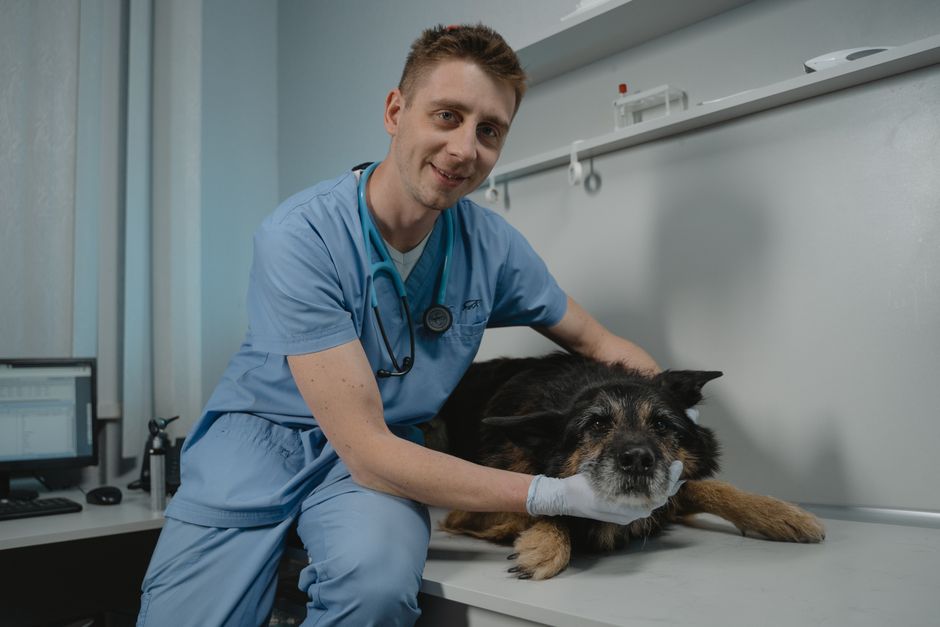
If your pet shows symptoms of heatstroke or severe heat stress, immediate veterinary attention is essential. At Hillsboro Advanced Veterinary Care, our veterinarians quickly assess your pet’s condition and begin supportive care to lower body temperature safely. Treatment approaches involve moving your pet to a cool, shaded environment, applying cool (not cold) water to the fur, and providing small amounts of fresh water if your pet is alert enough to drink. In our clinic, we monitor vital signs, administer intravenous fluids to correct dehydration, and address complications such as organ dysfunction or seizures. Early intervention is vital for the best possible outcome, and our veterinary team is equipped to handle these emergencies with expertise and compassion. If you suspect your pet is suffering from heatstroke, do not delay—call our clinic for immediate guidance.
Summer Safety Tips: Preventing Heatstroke And Keeping Pets Comfortable At Home
Preventing heat-related illnesses starts with thoughtful planning and awareness. Always ensure your pet has access to fresh, clean water both indoors and outdoors. Shade is crucial; if your pet spends time outside, provide access to covered areas or bring them indoors during the hottest parts of the day. Exercise routines should be adjusted to early morning or late evening when temperatures are cooler. Watch your pet carefully during outdoor activities and take breaks in the shade. Never leave your pet unattended in a parked car, as temperatures can skyrocket in just a few minutes, even with the windows cracked.
Grooming can also play a role in summer safety. While regular brushing helps remove excess fur and keeps your pet’s coat healthy, avoid shaving double-coated breeds, as their fur actually provides some protection against heat and sunburn. For pets with short or light-colored coats, pet-safe sunscreen may be necessary on vulnerable areas like the nose and ears. If your pet enjoys water play, always supervise and ensure pools or water features are safe for pets to enter and exit.
Hydration: The Foundation Of Summer Health
Proper hydration is the cornerstone of keeping pets healthy in the heat. Encourage your pet to drink by providing multiple water bowls in different locations around your home and yard. Some pets may prefer running water, so pet fountains can be a helpful addition. Signs of dehydration include dry gums, sunken eyes, loss of skin elasticity, and lethargy. If you notice these symptoms, offer water and contact your veterinarian for further advice.
When To Schedule A Veterinary Appointment For Summer Concerns
Knowing when to seek professional help can make all the difference in protecting your pet’s health during the summer. You should schedule an appointment with our veterinary team if your pet shows any signs of heat stress, dehydration, or if you are concerned about summer safety, such as new exercise routines, travel plans, or boarding needs. Our veterinarians can assess your pet’s risk factors, provide individualized recommendations, and ensure your pet is prepared for the season ahead. If you are planning to board your pet, discuss any health concerns or special needs in advance to ensure a safe and comfortable experience.
If your pet experiences symptoms such as vomiting, difficulty breathing, collapse, or seizures, seek veterinary care immediately. Heatstroke can progress rapidly and may cause life-threatening complications if not addressed promptly. Our team is always ready to support you with compassionate, expert care whenever you need us.
Your Local Partner In Pet Summer Safety
Summer in Hillsboro and surrounding communities is a time for outdoor fun and family adventures, but it also brings unique challenges for pet owners. By staying alert to the signs of heat stress, making informed choices about exercise and hydration, and knowing when to consult your veterinarian, you can keep your pet cool, comfortable, and healthy all season long. At Hillsboro Advanced Veterinary Care, our mission is to help your furry family members thrive, no matter the weather.
If you have questions or want to schedule a summer safety checkup, our veterinary team is here for you. When searching for a vet near me, trust our experienced veterinarians to be your local resource for small animal care. Call us at (217) 532-5310 or visit us in Hillsboro to ensure your pet enjoys a safe and happy summer. Your pet’s health is our priority, and we are proud to serve Hillsboro, Nokomis, and the surrounding communities with the highest standard of veterinary care.
This blog is intended for educational purposes only and should not replace professional veterinary advice. Always consult your veterinarian if you have concerns about your pet’s health or safety.