Preventing Spring Allergies in Pets and Livestock
Preventing Spring Allergies in Pets and Livestock
Spring in Hillsboro brings blooming flowers, greening pastures, and—unfortunately for many animals—an uptick in allergy symptoms. Whether you share your home with dogs, cats, rabbits, or manage livestock on your farm, seasonal allergies can cause discomfort and health challenges for animals of all kinds. At Hillsboro Advanced Veterinary Care, located at 8153 IL Route 127, Hillsboro, IL 62049, our experienced team is dedicated to helping both pet owners and producers recognize, manage, and prevent spring allergies. This guide will help you identify common allergy signs, understand the causes, explore treatment options tailored to each species, and learn practical steps you can take at home or on the farm to keep your animals comfortable as pollen and humidity levels rise.
Whether you are worried about your dog's itchy skin, your rabbit's sneezing, or changes in your herd's health, our veterinary professionals are here to support you with compassionate, local expertise. Read on to discover how to keep every member of your household or operation healthy this spring.
Recognizing Spring Allergy Symptoms in Pets and Livestock
Signs in Dogs and Cats
Dogs and cats often show allergy symptoms as the weather warms and outdoor allergens increase. Key symptoms include frequent scratching or licking, red or inflamed skin, watery eyes, sneezing, ear infections, and occasional coughing. You might also notice your dog or cat developing hot spots or losing fur in patches. These signs can be especially noticeable after time spent outdoors or during high pollen days.
Signs in Rabbits and Small Mammals
Rabbits and other pocket pets are sensitive to dust, pollen, and mold. Signs of spring allergies in these animals include sneezing, watery eyes, nasal discharge, and, in some cases, labored breathing. Some rabbits may have skin redness or startle more easily due to discomfort. Keeping a close eye on their bedding and environment can help you spot early changes.
Recognizing Allergies in Livestock
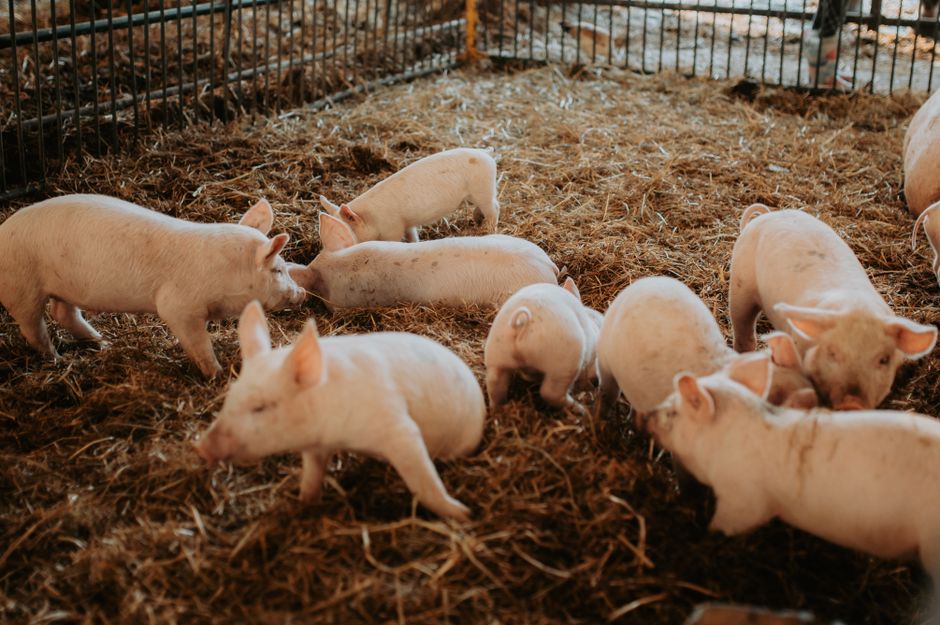
For producers, spring allergies in cattle and other livestock can manifest as frequent rubbing or scratching, hair loss, runny eyes, and occasional coughing. In herds, watch for a sudden increase in animals with watery eyes or sniffling, as well as any unexplained drop in body condition. Sometimes, allergies can mimic early signs of respiratory illness, so it is important to differentiate between the two.
What Causes Spring Allergies in Animals?
Environmental Allergens
Springtime in Illinois means a surge in environmental allergens. In pets and livestock alike, pollen from trees, grasses, and weeds can trigger allergic reactions. Mold spores, which thrive in damp or humid conditions, also become more prevalent as temperatures rise. Dust mites and other microscopic irritants can further aggravate allergies, especially in barns, kennels, and homes that are closed up during winter.
Species-Specific Triggers
Dogs and cats are particularly sensitive to pollen, mold, and dust, which can settle on their skin or be inhaled. Rabbits are vulnerable to airborne particles in bedding or hay, while livestock encounter allergens in pastures and barns. For cattle and other livestock, switching to spring pasture can expose them to new plant species, some of which may be allergenic or irritate the skin and mucous membranes.
The Role of Humidity and Weather
Rising humidity and temperature in May create ideal conditions for both pollen and mold growth across Hillsboro and surrounding communities. Rapid weather changes can also stress animals, making them more susceptible to environmental triggers. For livestock, wet, muddy conditions contribute to increased exposure to irritants, while pets may spend more time outdoors, increasing their risk.
Managing and Treating Allergies: Professional Veterinary Options
Veterinary Evaluation and Diagnosis
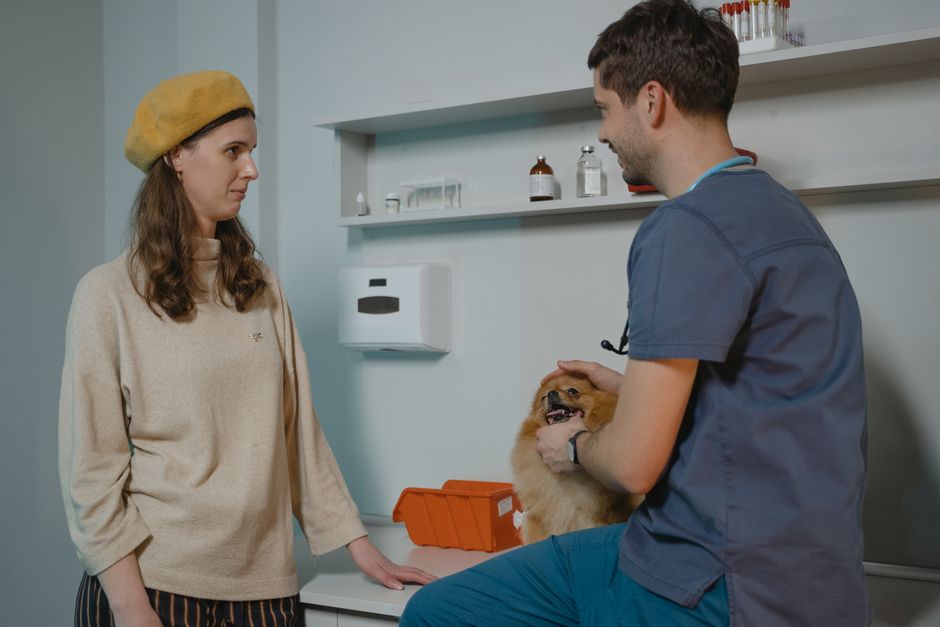
Diagnosing allergies in animals often starts with a thorough examination. For companion animals, our veterinarians at Hillsboro Advanced Veterinary Care may recommend a wellness examination to rule out other causes of symptoms and discuss your animal’s lifestyle and exposure risks. For producers, herd health checks allow us to assess multiple animals and recommend targeted interventions.
When allergies are suspected, diagnostic tools such as allergy testing can help pinpoint specific triggers in dogs, cats, and exotic pets. In some cases, skin or blood tests provide valuable insights, allowing for a more customized management plan.
Treatment Approaches for Pets
Treatment options for dogs and cats often involve a combination of topical therapies, prescribed medications, and changes to the animal's environment. Medicated shampoos, anti-itch sprays, and oral medications can help reduce inflammation and control symptoms. For pets with persistent skin issues, our dermatology services offer advanced solutions and ongoing care.
For rabbits and exotic pets, treatment focuses on minimizing allergen exposure and supporting overall respiratory health. Adjusting bedding, improving ventilation, and treating any secondary infections are common steps. In some cases, supportive medications may be prescribed for comfort.
Treatment Strategies for Livestock
For livestock, allergy management starts with identifying and removing the source of irritation whenever possible. This may involve rotating pastures, improving barn airflow, or changing bedding to reduce dust and mold. When animals develop secondary infections or require additional care, our veterinary team can provide appropriate medications and recommendations for herd management.
Preventing Allergies: Practical Home and Farm Strategies
Reducing Allergens in the Home
For pet owners, keeping windows closed during high pollen days, regularly washing bedding, and bathing dogs and cats can help minimize allergen exposure. Using air purifiers and vacuuming frequently further reduces airborne particles. After outdoor walks, wiping your pet’s paws and fur can prevent tracking pollen indoors.
Environmental Control for Rabbits and Small Mammals
Owners of rabbits and other pocket pets should select dust-free bedding and store hay in dry, clean areas. Cleaning enclosures frequently and providing good ventilation helps keep airborne irritants at bay. Monitoring for any sudden changes in sneezing or nasal discharge is key to early intervention.
Livestock and Pasture Management
Producers can reduce allergy risks in herds by rotating animals away from high-pollen pastures during peak bloom, ensuring barns remain dry and well-ventilated, and using low-dust bedding materials. Checking water sources regularly and providing clean feed helps maintain overall herd health during allergy season. For cattle and other livestock, keeping an eye on body condition and respiratory status is especially important as spring progresses.
When to Seek Veterinary Care
Recognizing when an animal’s symptoms require professional attention can make a significant difference in their comfort and long-term health. For pet owners, persistent scratching, hair loss, or any sign of respiratory distress in dogs, cats, or rabbits should prompt a call to our veterinary team. If your pet’s symptoms worsen quickly or are accompanied by changes in appetite, lethargy, or swelling, immediate evaluation is important.
Producers should contact us if multiple animals in the herd develop sudden respiratory symptoms, eye discharge, or skin irritation that does not resolve with environmental changes. Any unexplained drop in production, weight loss, or signs of secondary infection also warrant a prompt herd check.
Our veterinarians at Hillsboro Advanced Veterinary Care can help determine whether allergy testing, medication, or environmental adjustments are needed. For urgent situations, our emergency veterinary care services are here to support both pets and livestock.
Supporting Every Animal: Local Expertise for Spring Allergies
Spring allergies can affect pets and livestock in different ways, but attentive care and early intervention go a long way toward keeping animals comfortable. Whether you are managing a busy household or a working farm, practical prevention and timely veterinary support are key. Our veterinary professionals at Hillsboro Advanced Veterinary Care are committed to the well-being of every animal in Hillsboro and surrounding communities.
If you notice allergy symptoms in your dog, cat, rabbit, or livestock this season, we invite you to schedule an appointment with our experienced team. For pet owners interested in ongoing preventive care, ask about our wellness plans and support for pocket pets through our wellness care for small mammals. Producers can trust our knowledgeable veterinarians for herd health guidance tailored to local conditions.
When searching for a veterinarian near me, choosing a local, full-service clinic means personalized care and timely advice for every species in your care. Reach out to Hillsboro Advanced Veterinary Care at (217) 532-5310 or visit us at 8153 IL Route 127, Hillsboro, IL 62049 for comprehensive, compassionate support this allergy season. Your animals’ health and comfort are always our top priority.