Fall Wellness Tips for Pets and Livestock in Hillsboro

Fall Wellness Tips for Pets and Livestock in Hillsboro
As the crisp air and colorful leaves of September arrive in Hillsboro, it is the perfect time for animal owners and producers to focus on fall wellness routines. Whether you share your home with dogs and cats or oversee a herd of cattle or pigs, the changing seasons bring unique health considerations for all animals under your care. At Hillsboro Advanced Veterinary Care, we understand the importance of proactive, species-specific preventive care to help your pets and livestock thrive throughout autumn and beyond. From addressing common fall health risks to offering tailored wellness plans, our veterinary team is dedicated to supporting animal health in Hillsboro and surrounding communities. In this blog, you will find seasonal advice to keep your companion animals comfortable and your herds productive as the temperatures drop. We will cover how to recognize early signs of seasonal health issues, the reasons behind these fall challenges, management and prevention tips you can practice at home or on the farm, and guidance on when to schedule a visit with our veterinarians at 8153 IL Route 127, Hillsboro, IL 62049. No matter which animals you care for, let our team help you make the most of this beautiful season.
Recognizing Fall Health Concerns in Pets and Livestock
Small Animal Signs: What to Watch for at Home
As daylight hours shorten and outside conditions shift, many pet owners notice subtle changes in their dogs and cats. Common fall health issues in small animals include increased shedding, dry or itchy skin, stiff joints as colder mornings set in, and changes in energy levels. Allergies can peak as mold spores and fall pollens circulate, leading to sneezing, watery eyes, or excessive scratching. Parasite exposure remains a risk, since fleas and ticks can persist well into autumn. Keep an eye out for symptoms such as persistent itching, dull coats, lethargy, limping, or reluctance to exercise, as these may signal the need for a veterinary evaluation.
Livestock and Herd Health: Fall Warning Signs
For producers managing cattle, pigs, or small ruminants, fall often brings its own set of challenges. As pastures fade and animals transition to stored feeds, nutritional deficiencies or digestive upsets can arise. Watch your herd for signs of weight loss, rough hair coats, coughing, increased nasal discharge, or reductions in milk or weight gain. Cooler, wetter conditions may also heighten the risk of respiratory disease or foot problems, especially in muddy paddocks or crowded barns. Early detection is key, so monitor your livestock closely during daily chores for changes in appetite, body condition, or behavior.
Why Fall Brings Unique Health Risks
The Impact of Seasonal Change on Companion Animals
The shift from warm summer days to cool autumn nights can be hard on pets, particularly seniors or those with chronic conditions. Sudden drops in temperature may aggravate arthritis or joint stiffness in older dogs and cats, while dry indoor air from heating systems can contribute to skin problems. Allergens such as ragweed, mold, and decaying leaves may trigger flare-ups in pets with environmental sensitivities. Additionally, many owners mistakenly believe that flea and tick prevention is only necessary during spring and summer, but these parasites remain active until hard frosts arrive, putting pets at risk for infestations and disease transmission.
Fall Challenges for Livestock Operations
On the livestock side, fall is a time of transition. Many herds move off pasture onto stored hay or silage, which can result in dietary changes that stress the digestive system. Fluctuating temperatures and increased humidity can create ideal conditions for respiratory pathogens, especially in young, newly weaned calves or pigs. Wet, muddy ground increases the likelihood of hoof problems and lameness. As days shorten, reproductive cycles may be affected, and diminished sunlight impacts vitamin D synthesis, which is vital for immune health. Producers should be vigilant, as these factors can reduce productivity and animal well-being if not managed proactively.
Professional Care and Treatment Options at Hillsboro Advanced Veterinary Care
Comprehensive Veterinary Support for Pets
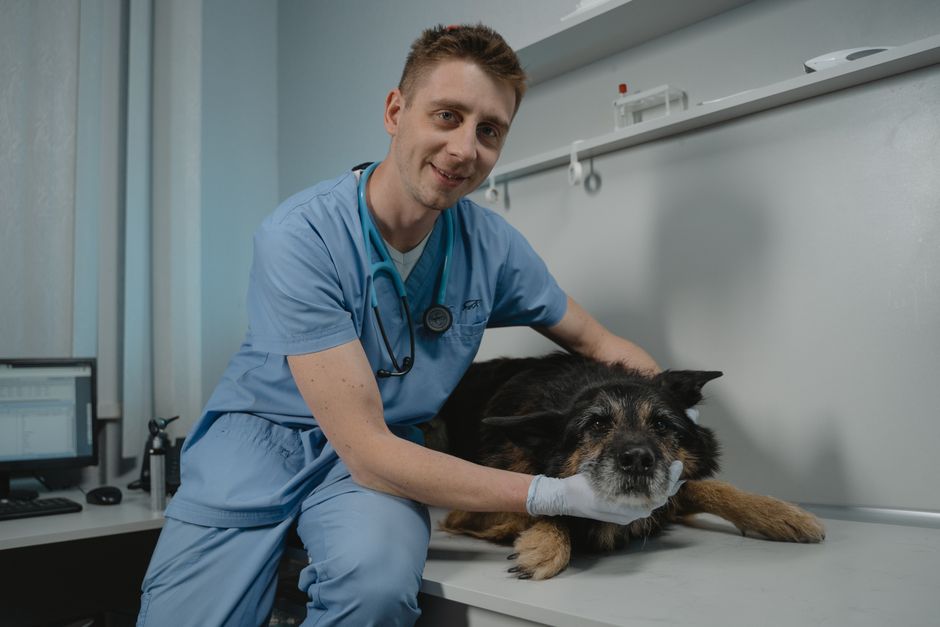
Our veterinary team at Hillsboro Advanced Veterinary Care offers a full spectrum of services to address fall health concerns in dogs, cats, and exotic pets. If your pet is showing signs of skin irritation, joint pain, or unusual behavior, a thorough preventive wellness examination allows us to catch potential issues early. We provide diagnostic testing, nutritional counseling, parasite control recommendations, and tailored treatment plans for seasonal allergies or chronic conditions. For pets who need protection from infectious diseases, our pet vaccination services keep immunizations up to date. If you notice sudden limping, labored breathing, or other urgent symptoms, our team also offers urgent care during business hours to address acute needs.
Herd Health Solutions for Cattle and Swine Producers
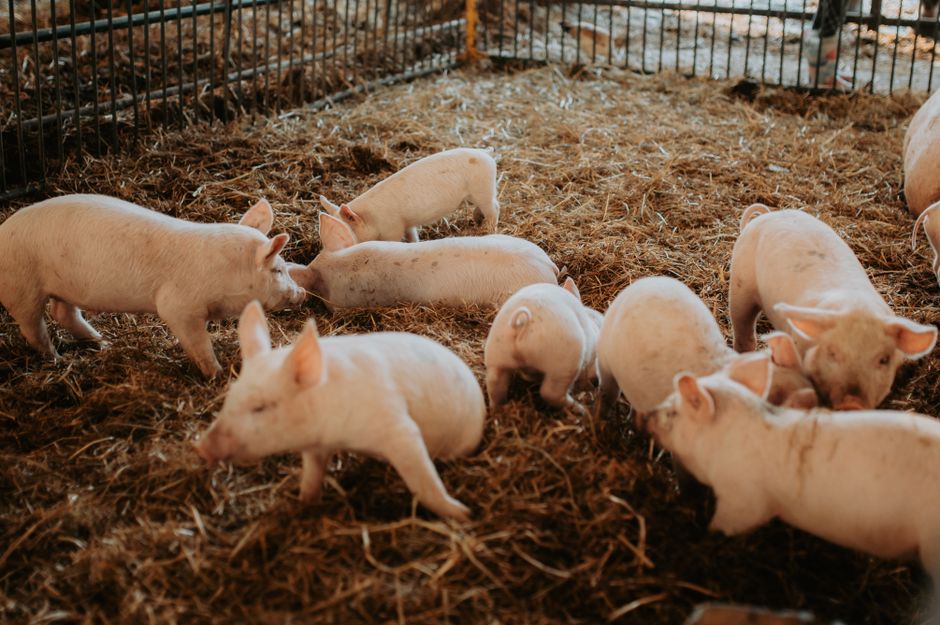
For owners managing cattle or pigs, our veterinarians can assist with routine herd evaluations, vaccination protocols, and parasite management programs suited to the fall season. We are equipped to address respiratory disease outbreaks, nutritional imbalances, or lameness concerns that may arise with changing weather or feed. Producers benefit from our experience in disease detection, biosecurity planning, and tailored treatment recommendations, designed to minimize economic impact while optimizing herd health. By staying proactive, you can reduce the risk of large-scale health issues and maintain productivity through the colder months.
Prevention and Home/Farm Care Strategies for the Fall
Keeping Companion Animals Healthy at Home
To protect your pets as temperatures drop, continue administering flea and tick prevention until a hard freeze has occurred. Regular grooming helps control shedding and supports skin health, while providing a cozy, draft-free sleeping area keeps pets comfortable overnight. Adjust exercise routines to daylight hours for safety, and watch for signs that cooler mornings are making your senior dog or cat stiff; joint supplements or veterinary-prescribed pain relief may be beneficial. Monitor food intake, as some pets may require dietary adjustments with reduced activity. For those with known allergies, frequent cleaning of bedding and vacuuming can help minimize exposure to fall allergens. Wellness plans, like those offered at our clinic, make it easier to stay on top of preventive care throughout the year.
Proactive Steps for Producers: Barn and Herd Management
For livestock, prevention starts with sound management practices. Ensure that housing areas are dry and well-ventilated to minimize respiratory risk and foot problems. Gradually transition herds to stored feeds to prevent digestive upset, and check mineral and vitamin supplementation to account for changes in forage quality. Maintain a consistent parasite control program, since cooler weather does not eliminate internal or external parasite threats. Observe animals daily for signs of illness or injury, and isolate any affected individuals to prevent the spread of disease. Producers should also review biosecurity protocols ahead of the winter housing period. Taking these steps can help safeguard your herd’s health and your operation’s bottom line.
When to Seek Veterinary Care
Companion Animal Owners: When a Visit Is Needed
Prompt veterinary attention can make all the difference if your pet develops sudden or severe symptoms. Seek care if your dog or cat experiences persistent coughing, difficulty breathing, sudden lameness, refusal to eat, or any signs of pain. Ongoing itchiness, hair loss, or skin lesions should also be evaluated by our veterinary professionals to rule out parasites, allergies, or infections. If your pet has a chronic condition like arthritis and seems more uncomfortable as the weather cools, schedule a checkup to discuss new management strategies. Timely intervention helps prevent minor issues from becoming bigger concerns.
Producers: When to Call the Veterinary Team
For livestock, early intervention is vital. Contact our farm animal veterinarians promptly if you notice multiple animals with respiratory signs, sudden drops in milk or weight gain, persistent lameness, or unexpected deaths. Sudden changes in feed consumption, water intake, or manure consistency can also indicate herd health problems that require professional assessment. Always consult with our team for vaccination timing, parasite control adjustments, or biosecurity concerns as autumn progresses. Addressing problems early helps protect both animal welfare and your operational success.
Supporting Small Animals and Livestock: Our Mixed Animal Approach
At Hillsboro Advanced Veterinary Care, we recognize that each animal—whether a beloved family pet or a valued herd member—has unique needs as the seasons change. Our veterinarians are skilled in both companion animal medicine and large animal care, allowing us to serve the diverse animal population of Hillsboro and neighboring communities. We tailor our recommendations based on species, age, medical history, and your goals as an owner or producer, ensuring that every animal receives the right preventive care and treatment. Our team is always here to answer your questions and provide guidance tailored to your individual situation.
Take Action This Fall: Schedule Your Animal’s Wellness Visit
As you prepare for cooler weather and shorter days, let our veterinary team help you safeguard animal health for the months ahead. Proactive care is the best way to prevent seasonal problems before they start. Whether you need a wellness examination for your dog or cat, herd health advice for your livestock, or updated pet vaccination services, our team is ready to support you. To schedule an appointment, call us at (217) 532-5310 or stop by our clinic at 8153 IL Route 127, Hillsboro, IL 62049. For those searching for a veterinarian near me this season, Hillsboro Advanced Veterinary Care is your trusted local resource for pets and livestock alike. We look forward to helping your animals enjoy a healthy, comfortable autumn.
This blog is intended for informational purposes only and should not replace professional veterinary care. Always consult with a veterinarian for specific questions or concerns about your animals’ health.