Preparing Cattle and Pigs for Cooler October Weather
Preparing Cattle and Pigs for Cooler October Weather
As cooler October weather settles over Hillsboro and the surrounding communities, local producers know that the shift from warm days to crisp nights can create unique challenges for livestock health and productivity. Making sure your cattle and pigs are prepared for these seasonal changes is essential for maintaining herd well-being, optimizing performance, and preventing costly setbacks. At Hillsboro Advanced Veterinary Care, our team of veterinarians brings both small and large animal expertise to support your operation right here at 8153 IL Route 127, Hillsboro, IL 62049. In this guide, we will cover key aspects of fall herd management for cattle and pigs, including signs of weather stress, contributing factors, practical strategies for housing and nutrition, and when it's time to seek professional veterinary support. Whether you are gearing up for weaning, finishing out feeder pigs, or managing a breeding herd, our goal is to help you keep your livestock healthy and thriving through the unpredictable autumn season.
Recognizing Weather-Related Stress in Cattle and Pigs
As temperatures fluctuate between mild afternoons and chilly nights, cattle and pigs can experience subtle but significant stress. Signs that your livestock are struggling with cooler October weather include changes in behavior such as huddling for warmth, seeking shelter more frequently, or appearing less active than usual. In cattle, watch for rough hair coats, shivering, and signs of respiratory illness, such as coughing or nasal discharge. In pigs, decreased feed intake, crowding in corners, or increased vocalization can all indicate discomfort from cold stress. Young animals, recently weaned calves, and piglets are especially vulnerable to temperature swings; they may show slowed growth, increased susceptibility to illness, or even higher mortality rates if not properly managed.
Monitoring body condition is also important as cooler weather can increase energy demands. Cattle or pigs that begin to lose condition may not be getting enough nutrition to meet their needs as temperatures drop. Promptly identifying these signs allows you to adjust management before small issues become larger health or production problems.
Why Cooler Weather Puts Pressure on Herd Health
October in central Illinois brings a transition period where temperatures can swing widely within a single day. This variability places extra demands on livestock, particularly when nighttime lows dip into the 40s or below. Cattle and pigs must use more energy to maintain their body temperature, especially if they are wet from rain, exposed to wind, or housed in poorly insulated facilities. Inadequate shelter, drafts, or damp bedding make it harder for animals to stay warm and can increase the risk of respiratory disease, particularly in confined pigs or young calves.
For spring-born calves and piglets, this season often coincides with weaning or movement to new facilities, adding additional stress. Any combination of nutritional changes, transport, and weather shifts can compromise the immune system, making animals more susceptible to illnesses like pneumonia or scours. Additionally, decreasing daylight can influence reproductive cycles and feed efficiency, requiring closer attention to herd management.
Local experience shows that herds in the Hillsboro area are particularly affected when October brings periods of rain followed by sudden cold snaps. Wet conditions followed by a cold front can chill animals rapidly, especially if they lack adequate shelter or bedding. Understanding these regional weather patterns can help producers anticipate and prevent problems before they arise.
Key Management Strategies for Healthy Livestock in the Fall
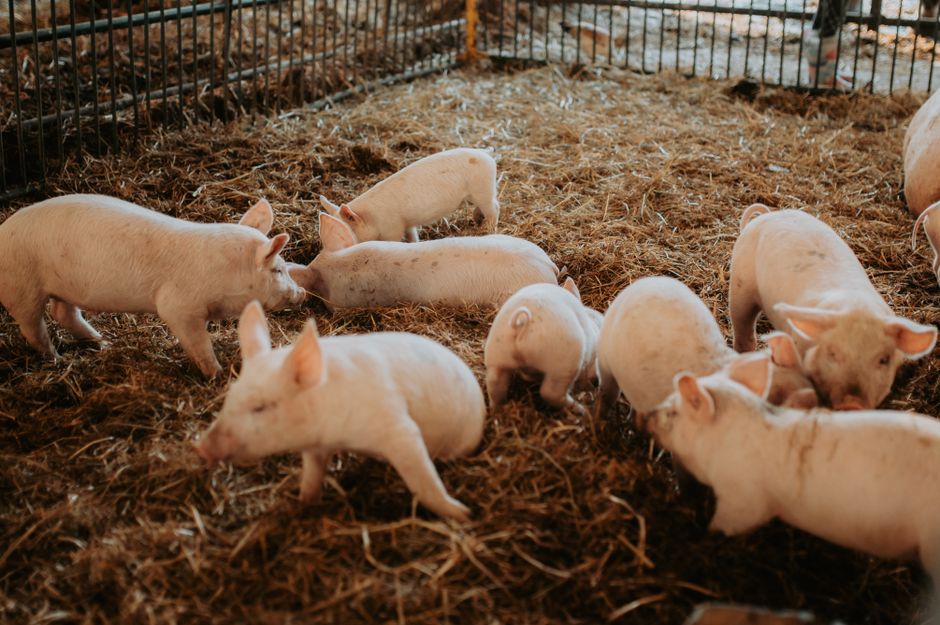
Supporting your cattle and pigs through October’s cooler weather requires a combination of thoughtful housing, nutrition, and preventive health care. Ensuring that all animals have access to shelter from wind and rain is critical; for cattle on pasture, windbreaks or access to a barn can make a significant difference. For pigs, draft-free housing with plenty of dry bedding helps maintain warmth. Deep straw bedding is particularly effective for both species, providing insulation and comfort as temperatures drop overnight.
Nutritional adjustments may be necessary as energy requirements rise with cooler weather. For beef cattle, increasing the energy density of the ration or ensuring free-choice, high-quality forage helps maintain body condition. Pigs may need slightly more feed or adjustments in diet composition to offset the extra calories burned staying warm. Always ensure that water sources are clean and not frozen, as dehydration can creep up quickly in cold conditions.
Vaccination protocols should be reviewed in the fall, especially for respiratory diseases that thrive in cooler, damp environments. Consult with your veterinary team to make sure your herd is up to date on recommended immunizations and parasite control. This is also a good time to complete routine herd health checks, monitor body condition scores, and address any underlying issues that could be exacerbated by weather changes. For producers interested in learning more about our team's large animal experience, you can meet the mixed-animal veterinary team, including veterinarians with hands-on knowledge of cattle and swine management.
Preventing Problems: Steps Producers Can Take This October
There are several practical steps producers can implement right now to help their herds transition smoothly into cooler weather. Start by inspecting barns, sheds, and windbreaks for damage or drafts; repairing gaps and replacing worn bedding will pay dividends in animal comfort. Ensuring that all animals have adequate space to lie down and avoid overcrowding reduces the risk of respiratory issues and promotes better growth.
Monitoring feed intake closely is important, particularly for newly weaned calves or pigs, as stress can suppress appetite. Make gradual dietary changes and avoid abrupt feed switches. Keep a close eye on waterers to prevent freezing and test water quality regularly.
Rotating pastures or pens to avoid mud and minimize parasite exposure is another valuable strategy. For operations that use deep bedding packs, managing manure and moisture is key to maintaining a dry, warm environment.
Finally, observe animals daily for early signs of illness or injury. Quick intervention is often the difference between a minor setback and a major disease outbreak. Consider scheduling a routine herd health check with your veterinary team to catch any hidden problems before winter arrives in earnest.
When to Involve Your Veterinarian
While proactive management goes a long way, there are times when prompt veterinary involvement is essential. Producers should contact their veterinarian if cattle or pigs show persistent signs of illness, such as labored breathing, sustained coughing, severe diarrhea, or unresponsive lethargy. Sudden changes in group behavior, unexplained deaths, or outbreaks of disease require immediate attention to protect the rest of the herd.
We also recommend seeking veterinary advice if you notice a decline in body condition despite good nutrition, or if you are planning significant management changes such as moving livestock, starting weaning, or introducing new animals. Timely veterinary support can help tailor vaccination, parasite, and nutrition plans to your specific operation and the unique demands of the Hillsboro climate.
Our veterinary team is here to partner with you through all seasons, providing not only treatment when issues arise but also preventive guidance to keep your operation running smoothly. To learn more about our veterinarians’ experience with cattle and pigs, visit our mixed-animal veterinary team page.
Supporting Local Producers Through Seasonal Transitions
Navigating the shift to cooler October weather does not have to be stressful. By recognizing early signs of weather-related stress, understanding contributing factors, and implementing proven management strategies, you can set your cattle and pigs up for a healthy and productive fall. At Hillsboro Advanced Veterinary Care, we are proud to serve producers in Hillsboro and surrounding communities with comprehensive large animal veterinary services tailored to local needs.
If you are looking for a "farm vet near me" who understands the realities of managing livestock in central Illinois, our team is ready to help. We encourage producers to schedule an appointment for a herd health evaluation or to discuss your fall management plan. You can reach our veterinary professionals at (217) 532-5310 or visit us at 8153 IL Route 127, Hillsboro, IL 62049. With the right preparation and professional support, your operation can thrive through every seasonal transition.
This blog is intended for general informational purposes and should not replace personalized veterinary advice for your specific herd. Always consult with your veterinarian for diagnosis and tailored recommendations.