Obesity in Pets: How to Help Your Pet Stay Healthy This Winter
Obesity in Pets: How to Help Your Pet Stay Healthy This Winter
As winter arrives in Hillsboro and the days get colder, many pets and their families spend more time indoors, often leading to less activity and the risk of unwanted weight gain. At Hillsboro Advanced Veterinary Care, we see the impact that seasonal changes can have on our furry companions each year. Obesity in pets is a growing concern during the colder months, affecting not just dogs and cats but also pocket pets and even rabbits. In this blog, we will explore why winter can make obesity in pets more likely, discuss the signs and risks of excess weight, and provide practical advice on keeping your pet healthy all season long. If you have concerns about your pet’s weight or want to ensure their well-being, our veterinary team at 8153 IL Route 127, Hillsboro, IL 62049 is here to support you with compassionate, expert care. For ongoing support, you can learn about our wellness plans designed to help pets maintain a healthy weight and lifestyle year-round.
Recognizing Obesity in Pets: Winter Warning Signs
When the temperature drops and walks become less frequent, it’s easy for pets to put on extra pounds without us noticing right away. Obesity in pets can be subtle at first, especially when thick winter coats hide changes in body shape. Key symptoms include a lack of visible waist, difficulty feeling your pet’s ribs under the skin, and decreased stamina during play or walks. Additional warning signs are heavy breathing after minimal activity, reluctance to move, difficulty jumping onto furniture, and, in some cases, changes in behavior such as irritability or disinterest in exercise.
For small mammals like rabbits or ferrets, signs of obesity might include a rounded body shape, excessive fat deposits over the shoulders or tail base, and reluctance to explore. If you’re unsure whether your pet is overweight, a comprehensive pet exam with our veterinary professionals can help assess your pet’s body condition and identify early health risks.
Why Obesity in Pets Increases During Winter
Several factors contribute to obesity in pets, particularly during the winter months in Hillsboro and surrounding communities. The most significant reason is reduced physical activity; colder weather and icy sidewalks discourage outdoor play and exercise, while pets, much like their owners, tend to spend more time resting inside. At the same time, caloric intake often remains the same or increases, as treats and extra portions are used to comfort pets on chilly days.
Another contributing factor is boredom; pets left indoors may turn to food for entertainment. For some, especially indoor cats or rabbits, limited environmental enrichment and fewer new experiences can result in overeating. Additionally, certain breeds and older animals are naturally more prone to weight gain, making seasonal vigilance even more important.
Health Risks Associated with Obesity in Pets
Carrying extra weight is not just a cosmetic issue; it can have serious health consequences. Obesity in pets is linked to conditions such as diabetes, arthritis, respiratory difficulties, heart disease, and decreased immune function. For dogs and cats, joint pain and reduced mobility are common outcomes, which can further limit exercise and create a cycle of weight gain. Small mammals, including rabbits and ferrets, may develop liver problems, dental disease, or skin issues when overweight.
Beyond physical ailments, obesity can also impact your pet’s quality of life; many pets become less playful, more prone to lethargy, and may experience anxiety or frustration due to reduced mobility. This is why early recognition and intervention are so important.
Managing and Treating Obesity in Pets: What to Expect from Your Vet
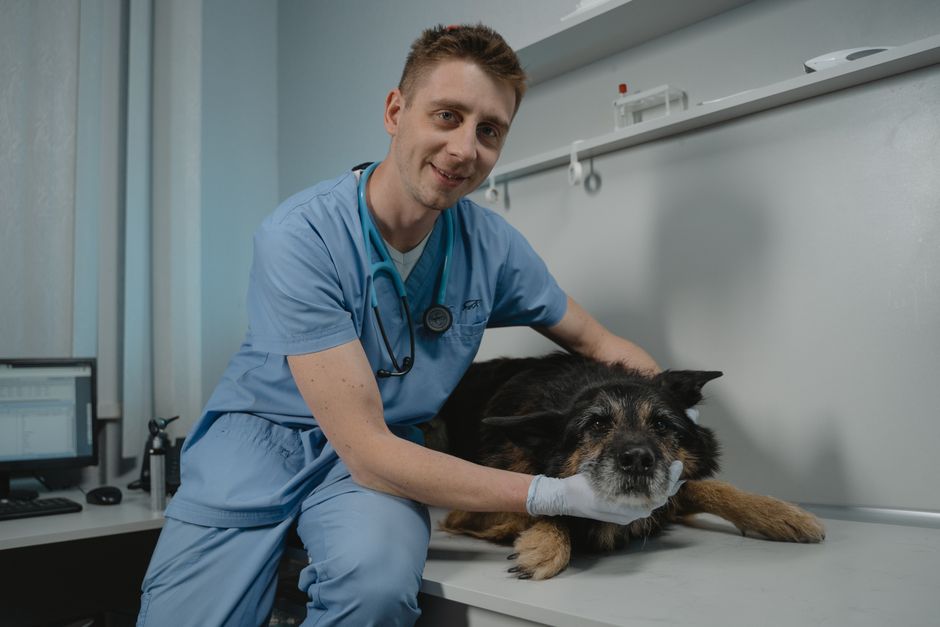
When you schedule an appointment at Hillsboro Advanced Veterinary Care, our veterinarians will begin with a thorough medical history and physical examination. We will assess your pet’s body condition score, discuss their diet and activity level, and rule out any underlying medical conditions that might contribute to weight gain. In some cases, further diagnostics may be recommended to evaluate for metabolic or endocrine disorders.
Treatment approaches involve creating a tailored weight loss plan that fits your pet’s unique needs. This typically includes recommendations for portion control, prescription or specialized diets, and increased physical activity. For cats and dogs, we may suggest interactive toys, indoor games, or structured walks at times when sidewalks are clear. Small mammals and exotics benefit from habitat enrichment and careful monitoring of food portions. For species-specific care, our team offers wellness services for pocket pets, ferrets, and rabbits.
Regular follow-ups are essential to monitor progress, make adjustments, and celebrate successes. Our goal is to help your pet reach and maintain a healthy weight safely and sustainably.
Preventing Pet Obesity at Home During Winter
Prevention is always preferable to treatment when it comes to obesity in pets. At home, there are several effective strategies you can put in place to help your pet stay fit throughout the colder months. Start by measuring food portions carefully and sticking to recommended feeding guidelines. Avoid extra treats or table scraps, as these can quickly add up; instead, use healthy snacks like green beans, carrot slices, or commercial low-calorie treats.
To encourage activity indoors, set aside dedicated playtime each day. For dogs, this could mean short, frequent games of fetch in the hallway or practicing obedience skills. Cats often enjoy interactive toys, laser pointers, or climbing towers. Small mammals and exotics benefit from tunnels, chew toys, or supervised exploration in safe, pet-proofed areas.
Environmental enrichment is especially important during winter; rotating toys and rearranging furniture can help keep your pet engaged and mentally stimulated. For pets with mobility issues or those already overweight, begin with gentle, low-impact activities and gradually increase as they build stamina.
Routine checkups are another key part of prevention. These visits allow our veterinary team to monitor your pet’s weight, body condition, and overall health, catching potential problems before they become serious.
When to Seek Veterinary Care for Your Pet’s Weight
It’s not always easy to know when your pet’s weight has become a health issue, especially with the subtle changes that occur over the winter. If you notice that your pet is gaining weight, has visible fat deposits, struggles to walk or play, or you are concerned about their eating habits, it is time to consult a veterinarian. Sudden changes in weight—either gain or loss—should always prompt a veterinary visit, as these can signal underlying health issues.
Scheduling regular wellness examinations with our veterinary team provides peace of mind and professional guidance. Our veterinarians can create a personalized plan that addresses the unique needs of your pet and supports their lifelong health. For those with exotic pets, specialized care is available to ensure every member of your household receives appropriate attention.
Keeping Your Pet Healthy This Winter: Take the Next Step
Obesity in pets is a serious concern, especially during the winter months when activity levels drop and temptation rises. The good news is that with early recognition, a proactive plan, and the support of our veterinary professionals, you can help your pet maintain a healthy weight and avoid the health risks associated with obesity. At Hillsboro Advanced Veterinary Care, we are committed to partnering with families in Hillsboro and surrounding communities to keep pets healthy, active, and happy all year round.
If you are searching for a vet near me who understands the unique challenges of winter pet care, look no further than our experienced veterinary team. Schedule your pet’s wellness examination or ask about our wellness plans for ongoing support. You can also explore services like comprehensive pet exams or rabbit wellness care for species-specific needs.
To take the next step in managing or preventing obesity in pets, contact us today at (217) 532-5310 or visit us at 8153 IL Route 127, Hillsboro, IL 62049. Our compassionate veterinary professionals are here to offer guidance, encouragement, and expert care—because every pet deserves to enjoy a healthy, active winter.
This article is intended for informational purposes only and should not substitute for professional veterinary advice. Always consult your veterinarian for concerns about your pet’s health or weight management.