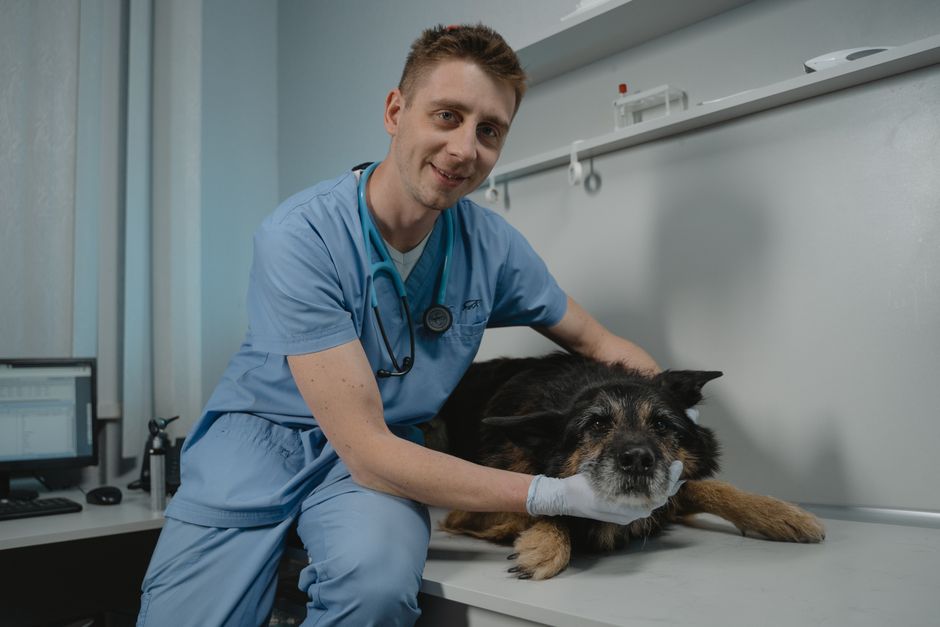
Pet Diagnostic Tests: What Every Owner in Hillsboro Should Know
Pet Diagnostic Tests: What Every Owner in Hillsboro Should Know
When your animal isn’t feeling their best or you’re concerned about subtle changes in their behavior, pet diagnostic tests can provide the answers you need. At Hillsboro Advanced Veterinary Care, located right here at 8153 IL Route 127, Hillsboro, IL 62049, our veterinary team is dedicated to supporting both pet owners and producers with thorough, timely diagnostics for dogs, cats, exotic pets, and even livestock. Understanding which tests are commonly recommended, why they matter, and when to schedule them can make a real difference in your animal’s health—especially as spring brings new challenges and opportunities for both household pets and farm animals. In this post, we’ll break down the most important pet diagnostic tests for small animals and exotics, explain how timely diagnostics can protect animal health, and help you recognize when it’s time to contact your local Hillsboro veterinarian. If you’re wondering which tests your animal might need this season, or how to ensure they’re getting the best care possible, read on for practical guidance from our experienced veterinary team.
Recognizing When Your Animal Needs Diagnostic Testing
Whether you share your home with a playful puppy, a senior cat, or a unique pocket pet, or you’re responsible for the well-being of a herd of cattle, knowing when to consider pet diagnostic tests is crucial. Early detection of disease or underlying health issues often leads to better outcomes, but it can be difficult to know when subtle changes warrant a trip to the veterinarian. For small animals, common warning signs include changes in appetite, sudden weight loss or gain, increased drinking or urination, coughing or sneezing, vomiting, diarrhea, lethargy, or unexplained behavior changes. Cats may hide more or groom excessively, while dogs might seem less energetic or display lameness.
Exotic pets, such as rabbits, ferrets, or guinea pigs, can be even trickier, as they often mask illness until it’s advanced. Owners should watch for decreased activity, changes in eating or droppings, labored breathing, or any unusual posture.
For producers managing cattle or pigs, the signs indicating a need for diagnostic testing may differ. Reduced feed intake, poor body condition, coughing in the herd, reproductive issues, or unexplained drop in production can all signal underlying health problems. In these cases, early diagnostics can help prevent the spread of disease and protect the productivity of your operation.
Recognizing these signs in any species is the first step toward ensuring timely intervention. If you notice any of these changes, scheduling an appointment for a wellness examination or a diagnostic workup is the best way to get answers.
Why Pet Diagnostic Tests Matter: Background and Benefits
Pet diagnostic tests are essential tools in modern veterinary medicine, offering a window into your animal’s internal health. These tests range from routine bloodwork and urinalysis to imaging studies and specialized screenings. For companion animals, regular diagnostics can catch health problems before they become severe, allowing for early intervention and more effective treatment. For example, many diseases such as kidney failure, diabetes, or liver disease may not show visible symptoms until they are advanced; routine blood tests and urinalysis can catch these issues early.
Exotic pets often require specialized diagnostics due to their unique anatomy and physiology. Rabbits and ferrets, for instance, may develop dental issues or metabolic diseases that can only be detected through targeted bloodwork, imaging, or fecal exams.
Producers managing herds of cattle or pigs rely on diagnostic testing to safeguard the health of their livestock and protect their bottom line. Tests for common infectious diseases, such as Bovine Viral Diarrhea (BVD) or Porcine Reproductive and Respiratory Syndrome (PRRS), can help identify problems before they impact the entire herd. Additionally, routine screenings support biosecurity efforts and help ensure the long-term productivity of your operation.
Diagnostic tests not only help identify diseases but also guide treatment decisions and monitor the effectiveness of therapies. They provide peace of mind for owners and producers, knowing that their animals are receiving informed, targeted care.
Common Types of Pet Diagnostic Tests at Hillsboro Advanced Veterinary Care
Bloodwork and Laboratory Analysis
One of the most frequently recommended diagnostics for both small animals and exotics is a blood panel. Blood tests measure organ function, electrolyte balance, and screen for infections or metabolic diseases. These tests are essential before surgery, during annual wellness exams, and whenever your animal shows signs of illness. Our Diagnostic Laboratory services allow us to provide quick, accurate results for a wide variety of conditions.
Imaging: Digital Radiology and Ultrasound
When our veterinarians need a clearer picture of what’s happening inside your animal, imaging techniques like X-rays and ultrasound are invaluable. Digital Radiology allows us to diagnose broken bones, arthritis, heart or lung disease, and detect foreign objects in dogs, cats, and exotics. Ultrasound services are gentle, non-invasive, and ideal for examining the abdomen or heart, monitoring pregnancies, or investigating unexplained symptoms.
Specialized Tests: Heartworm, Fecal, and Allergy Screening
For dogs and cats, specific tests like heartworm screening are critical to catch potentially life-threatening diseases early. Fecal exams help detect internal parasites in both pets and livestock, while allergy testing can pinpoint the source of chronic itching or skin issues.
Exotic Animal and Livestock Diagnostics
Exotic pets may require unique diagnostics, from dental X-rays for rabbits to blood panels for ferrets. Specialized exotic pet care ensures that these animals receive the attention they need. For cattle and pigs, diagnostic approaches include blood testing for herd diseases, pregnancy checks, and monitoring for nutritional deficiencies that can affect production.
How Diagnostic Tests Guide Treatment and Management
Diagnostic results are the foundation for creating effective treatment plans. For small animals, a positive heartworm test leads to a carefully managed treatment protocol, while abnormal bloodwork may prompt dietary changes or medication. Imaging can reveal injuries that require surgical intervention or help monitor chronic conditions over time.
For exotic pets, diagnostics inform husbandry changes, medication choices, or surgical needs. For example, a rabbit with dental disease may need a combination of dental care and nutritional modification, guided by diagnostic findings.
Producers benefit from herd diagnostics by being able to implement targeted treatments, adjust nutrition, and manage herd health protocols. Early detection of infectious diseases allows for isolation and treatment of affected animals, preserving the overall productivity of the operation.
Preventive Care: The Role of Routine Diagnostics
The best way to protect your animal’s health is through preventive care, which includes regular diagnostic testing. For pets, annual wellness exams often include bloodwork, urinalysis, and fecal testing even when no symptoms are present. These screenings help detect problems early and establish a baseline for future comparison.
Exotic pets, due to their tendency to hide illness, benefit greatly from routine checkups and diagnostic monitoring. Regular assessments can catch subtle changes before they become serious health threats.
For livestock, routine herd health checks and periodic diagnostic testing can help producers catch disease outbreaks early, monitor for nutritional imbalances, and keep animals performing at their best. This proactive approach supports both animal welfare and economic success on the farm.
When to Schedule Pet Diagnostic Tests and Seek Veterinary Care
Knowing when to seek professional help is critical. For pet owners, prompt veterinary attention is needed when animals show persistent or severe symptoms such as vomiting, diarrhea, difficulty breathing, sudden lethargy, collapse, or unrelenting pain. Even mild changes in appetite, drinking habits, or behavior can signal early disease, so never hesitate to contact our veterinary team for guidance.
Exotic pet owners should be especially vigilant; because these animals mask illness, any noticeable change in activity, eating, or droppings warrants a call to your veterinarian.
For producers, early intervention is key to preventing the spread of disease within the herd. If multiple animals show signs of illness, or if you notice poor production, respiratory symptoms, or unusual losses, scheduling a herd evaluation with our team can save time and resources in the long run.
If you’re unsure whether your animal needs diagnostic testing, our team at Hillsboro Advanced Veterinary Care is always ready to help you determine the best course of action.
Supporting Your Animals with Comprehensive Diagnostic Care in Hillsboro
At Hillsboro Advanced Veterinary Care, we are committed to providing thorough, compassionate diagnostic services for every animal in your care. Whether you’re seeking preventive screening for your family dog, a wellness check for your exotic pet, or disease monitoring for your herd, our team of veterinarians is here to support you every step of the way. When searching for a veterinarian near me, remember that timely, accurate pet diagnostic tests can make all the difference in your animal’s quality of life.
If you have questions about which tests your animal might need, or if you’re ready to schedule a diagnostic appointment, contact our team at (217) 532-5310 or visit us at 8153 IL Route 127, Hillsboro, IL 62049. You can also explore more about our Diagnostic Laboratory, Digital Radiology, and Ultrasound services to see how we approach pet diagnostic tests in Hillsboro. Your animals deserve the best care—let our veterinary professionals help you protect their health for years to come.
This blog is intended for informational purposes only and should not replace professional veterinary advice. If you have concerns about your animal’s health, please schedule an appointment with a qualified veterinarian.