Dog Diagnostic Tests: What to Expect at the Vet
Dog Diagnostic Tests: What to Expect at the Vet
Caring for your dog means more than providing food, exercise, and affection; it also means staying proactive about their health. Whether your dog seems perfectly healthy or you have noticed subtle changes in their behavior, understanding dog diagnostic tests is a crucial part of responsible pet ownership. At Hillsboro Advanced Veterinary Care, located at 8153 IL Route 127, Hillsboro, IL 62049, our veterinary team is committed to helping pet owners in Hillsboro and surrounding communities decode the mysteries behind these tests. This blog will guide you through the types of dog diagnostic tests we offer, how these tests help us pinpoint health issues, and what you can expect when your dog visits us for care. Whether you are preparing for your dog's annual checkup or facing puzzling symptoms, you will find practical information to help you feel confident and informed every step of the way.
Recognizing When Your Dog Needs Diagnostic Testing
As a pet owner, you know your dog’s habits better than anyone else. Sometimes, the need for dog diagnostic tests is obvious, especially if your dog is showing clear signs of illness. However, many conditions begin with subtle symptoms that can be easy to overlook. Some of the most common signs that may prompt your veterinarian to recommend diagnostic tests include unexplained weight loss or gain, changes in appetite or thirst, persistent vomiting or diarrhea, coughing, unusual lethargy, excessive scratching, or a new lump or bump. You might also notice changes in urination, mobility issues, or increased panting. Even if your dog seems well, certain diagnostic tests are part of routine wellness care to catch problems before they become serious.
During your dog’s annual wellness examination, our veterinary team will ask about any changes you have observed at home. This conversation, combined with a thorough physical exam, helps determine which dog diagnostic tests will best support your dog’s ongoing health. Remember, early detection is key; catching diseases in their early stages can make a significant difference in your dog’s quality of life and treatment outcomes.
Why Are Dog Diagnostic Tests So Important?
Dog diagnostic tests are the tools veterinarians use to look beyond what the eye can see. Many illnesses, such as kidney disease, diabetes, heart conditions, and certain cancers, may not show outward signs until they are advanced. Diagnostic testing allows us to identify these problems in their earliest stages, often before your dog shows any symptoms at all.
There are several reasons your veterinarian might recommend diagnostic tests. These include investigating specific symptoms, monitoring the progression of a known condition, screening for diseases during routine checkups, or assessing your dog’s health before surgery or anesthesia. For example, bloodwork helps us evaluate organ function, check for anemia or infection, and screen for metabolic diseases. Imaging studies like X-rays and ultrasound give us a look at your dog’s bones, organs, and tissues, revealing issues that would otherwise remain hidden.
Ultimately, diagnostic tests provide the essential information needed to make accurate diagnoses, guide treatment decisions, and tailor care to your dog’s unique needs. At Hillsboro Advanced Veterinary Care, we believe that pet owners deserve clear explanations and compassionate guidance throughout this process.
Common Dog Diagnostic Tests Performed at Hillsboro Advanced Veterinary Care
When your dog visits our clinic, the specific diagnostic tests we recommend will depend on their symptoms, age, breed, and overall health status. Some of the most frequently used dog diagnostic tests include bloodwork, urinalysis, fecal exams, digital radiology, ultrasound, and more specialized screenings.
Bloodwork: The Foundation of Canine Health Screening
Blood tests are invaluable in both routine checkups and when investigating illness. Typical panels include a complete blood count (CBC) and a chemistry profile. The CBC checks for signs of infection, inflammation, anemia, or clotting disorders, while the chemistry panel evaluates liver and kidney function, blood sugar levels, and electrolyte balance. These tests are often the first step when your dog is feeling unwell, but they are just as important during annual exams to catch hidden issues.
Urinalysis and Fecal Testing: Looking Deeper
Urinalysis provides insight into kidney function, hydration status, and the presence of infection or crystals in the urinary tract. Fecal testing is used to check for intestinal parasites, such as roundworms or hookworms, which can cause digestive upset and impact overall health. Collecting a fresh urine or stool sample is a simple but powerful way to keep your dog protected from easily overlooked threats.
Digital Radiology: Seeing Beyond the Surface
X-ray imaging, or digital radiology, is a powerful tool for assessing bones, joints, chest, and abdominal organs. Radiographs can detect fractures, arthritis, tumors, heart enlargement, and foreign bodies your dog may have swallowed. If your veterinarian recommends X-rays, you can read more about our digital radiology and X-ray imaging services to understand how this painless procedure aids diagnosis.
Ultrasound: Visualizing Soft Tissue Health
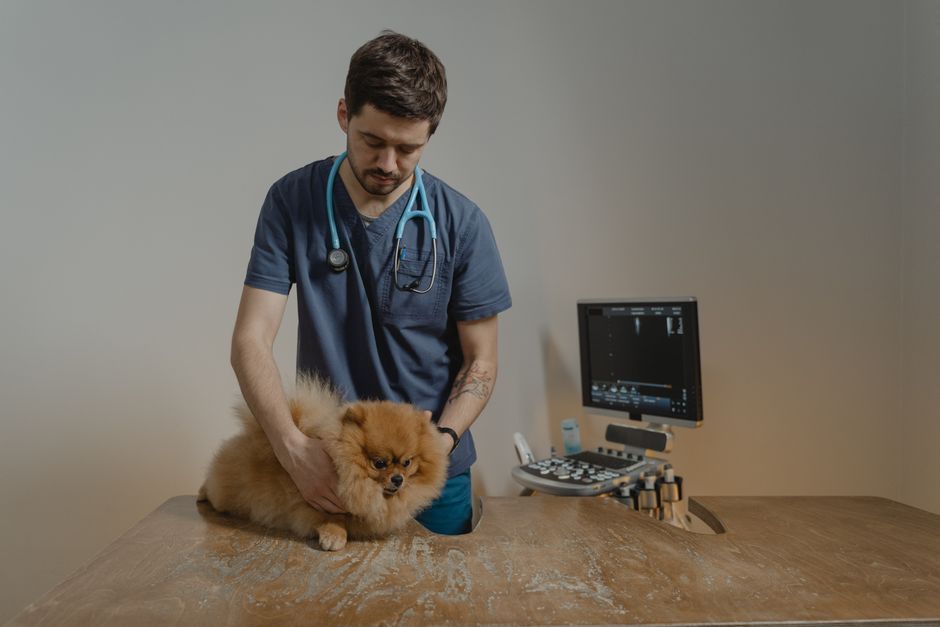
Ultrasound uses sound waves to create detailed images of your dog’s internal organs. It is particularly useful for evaluating the heart, liver, spleen, kidneys, and bladder, as well as identifying tumors or cysts. In some cases, ultrasound helps guide sample collection for further analysis. Our veterinary ultrasound services are available for dogs needing a more in-depth look at soft tissue health.
Electrocardiogram: Assessing Heart Function
Certain breeds and older dogs are at higher risk for heart disease. If your veterinarian hears an abnormal heart rhythm or your dog has signs of weakness, fainting, or coughing, an electrocardiogram (ECG) can provide valuable information about heart health. This non-invasive test records the electrical activity of your dog’s heart, helping our veterinary team detect arrhythmias and other cardiac concerns.
Additional Specialized Tests
Depending on your dog’s needs, additional diagnostics such as allergy testing, heartworm screening, or in-house lab work may be recommended. Each test is selected with your dog’s comfort and health in mind, ensuring a thorough approach to diagnosis.
What to Expect During Your Dog’s Visit
When you bring your dog to Hillsboro Advanced Veterinary Care for diagnostic testing, our goal is to keep the experience as stress-free and comfortable as possible. After discussing your dog’s health history and any symptoms you have noticed, our veterinary team will perform a gentle physical exam. If diagnostic tests are needed, we will explain each procedure beforehand and answer any questions you may have.
Most blood and urine samples can be collected during your visit. For imaging studies like radiographs or ultrasounds, we may ask your dog to remain still for a few minutes; some pets may benefit from light sedation if they are anxious or uncomfortable. Results from basic bloodwork and urinalysis are often available the same day, while more advanced tests may take a little longer. Rest assured, we will contact you promptly to review findings and discuss next steps.
Our pet diagnostic laboratory services are designed to provide quick, reliable results, so you are never left wondering about your dog’s health status any longer than necessary. By working closely with you and keeping you informed, we aim to make each visit a positive experience for you and your dog.
Preventive Care: The Value of Routine Testing
Preventive care is the cornerstone of lifelong health for your dog. Routine diagnostic tests are not just for sick pets; they play a vital role in early detection of disease, establishing baseline values, and monitoring for age-related changes. By scheduling regular wellness examinations, you help ensure that any potential problems are caught early, often before they cause obvious symptoms.
At home, you can support your dog’s health by providing a balanced diet, regular exercise, parasite prevention, and observing for any changes in behavior or appearance. However, even the most attentive pet owner cannot see what is happening inside their dog’s body. This is where diagnostic testing becomes so important; it fills in the gaps and allows our veterinary team to provide truly comprehensive care.
When Should You Call the Veterinary Team?
Knowing when to seek veterinary attention can be challenging, especially if your dog’s symptoms seem mild or intermittent. It is always better to err on the side of caution. If your dog is vomiting or having diarrhea for more than a day, refusing food, experiencing difficulty breathing, collapsing, or showing signs of severe pain, call us right away. Sudden changes in behavior, such as withdrawal or aggression, can also signal underlying health issues.
For ongoing or subtle problems, such as increased drinking, urination, or gradual weight loss, scheduling an appointment for a thorough evaluation is recommended. Our veterinary professionals in Hillsboro are here to help you determine when dog diagnostic tests are needed and to guide you through the process.
If you are ever uncertain about your dog’s symptoms, do not hesitate to reach out for advice. Timely intervention can make all the difference when it comes to your dog’s wellbeing.
Your Partner for Dog Diagnostic Tests in Hillsboro, IL
At Hillsboro Advanced Veterinary Care, we believe that every pet deserves a lifetime of good health and happiness. Our veterinary team is dedicated to providing expert dog diagnostic tests and compassionate support for you and your dog. Whether you need answers about puzzling symptoms or want to schedule preventive screenings, we are here to help.
If you are searching for a trusted "vet near me" in Hillsboro or the surrounding communities, look no further than our experienced team at 8153 IL Route 127, Hillsboro, IL 62049. To schedule an appointment or discuss your dog’s health concerns, call us at (217) 532-5310. For more information on the wide range of diagnostic services we offer, explore our pet diagnostic laboratory services or digital radiology and X-ray imaging.
Your dog’s health is our top priority, and we are honored to be your partner in lifelong care. If you have questions about dog diagnostic tests or want to discuss your dog’s unique needs, contact us today and let us help keep your furry companion healthy and thriving.