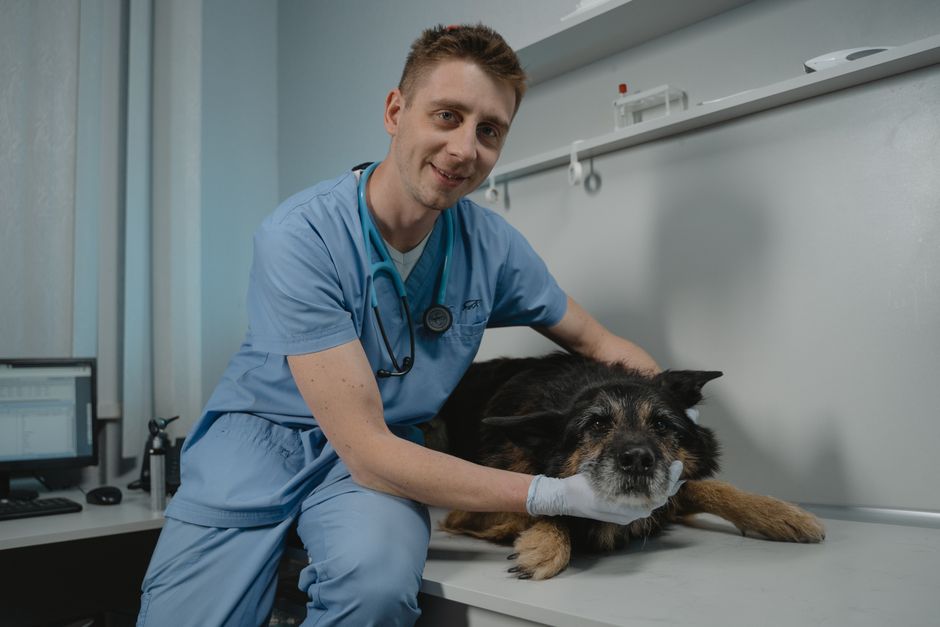
Dog Diagnostic Tests Explained: What Hillsboro Owners Should Know

Dog Diagnostic Tests Explained: What Hillsboro Owners Should Know
If you have ever wondered why your dog needs certain tests at the veterinary clinic, you are not alone. Many pet owners in Hillsboro and surrounding communities find themselves confused by the array of dog diagnostic tests that veterinarians recommend during wellness visits or when their pets are feeling unwell. At Hillsboro Advanced Veterinary Care, located at 8153 IL Route 127, Hillsboro, IL 62049, our team of veterinarians is committed to making pet healthcare simple, transparent, and stress-free for local families. In this guide, we will walk you through the most common types of dog diagnostic tests, why they matter, and what you can expect when your pet needs one. Whether you are scheduling a routine checkup or facing a sudden health concern, understanding these tests can help you make informed choices for your furry family member’s care.
We will cover how to recognize when your dog might need diagnostic testing, explore what these tests reveal, explain our approach to treatment, and offer tips on prevention and early intervention. We will also clarify when it is time to schedule an appointment with our veterinary team. For those who want to learn more about our in-depth diagnostic capabilities, you can find additional information about our veterinary diagnostic laboratory services right here at Hillsboro Advanced Veterinary Care.
Recognizing When Your Dog Needs Diagnostic Tests
Every pet parent knows their dog’s unique personality and habits, which means you are often the first to notice when something seems “off.” Sometimes, your dog’s behavior or appearance will signal that a veterinary visit — and diagnostic testing — is in order. Common warning signs that your dog may need further investigation include changes in appetite, unexplained weight loss, vomiting, diarrhea, coughing, sneezing, increased thirst or urination, persistent itching, and lethargy. You might also observe subtle changes, such as decreased energy, limping, or difficulty getting up after rest.
In other cases, your dog may appear perfectly healthy, but our veterinarians may still recommend routine dog diagnostic tests during an annual wellness examination. These proactive tests help us catch early signs of disease, monitor chronic health conditions, and ensure your pet’s continued well-being. Even if your dog is acting normally, regular screening is crucial for early detection and peace of mind.
If you notice any sudden or severe symptoms, such as collapsing, uncontrolled bleeding, seizures, or inability to stand, seek veterinary attention immediately. While most routine testing is scheduled, urgent situations can require rapid diagnostics to guide emergency treatment.
Understanding Dog Diagnostic Tests: What They Reveal About Your Pet’s Health
Diagnostic tests are essential tools in veterinary medicine, giving us insight into your dog’s health that we simply cannot get from a physical examination alone. At Hillsboro Advanced Veterinary Care, we use a range of dog diagnostic tests, each designed to uncover specific information about your pet’s well-being.
Bloodwork and Laboratory Testing
One of the most common diagnostic tools is bloodwork. When we run a blood test, we are checking things like red and white blood cell counts, organ function, electrolyte balance, and the presence of infections or inflammation. These tests can detect anemia, dehydration, liver or kidney problems, diabetes, and even some types of cancer. Fasting blood tests may be required for certain results, so our team will let you know if your dog needs to skip breakfast on the morning of their appointment.
Urinalysis and fecal analysis are also valuable. Urine tests help identify urinary tract infections, kidney issues, and diabetes, while fecal exams screen for internal parasites and digestive disorders.
For an in-depth look at our in-house laboratory services and what these tests can detect, you can explore our veterinary diagnostic laboratory services.
Imaging: X-Rays and Ultrasound
Sometimes, a picture is worth a thousand words. Digital radiology (x-rays) allows our veterinarians to see inside your dog’s body, revealing broken bones, arthritis, heart enlargement, tumors, or swallowed objects. Ultrasound is another non-invasive tool that uses sound waves to create real-time images of your pet’s organs. This can be especially helpful for diagnosing abdominal issues, heart disease, or even pregnancy.
To learn more about these diagnostic imaging services, our digital radiology and veterinary ultrasound diagnostics pages offer detailed information.
Disease-Specific Testing
Some health concerns require targeted testing. For example, heartworm disease is a serious risk for dogs in Illinois, especially during mosquito season. We recommend annual heartworm screening, which involves a simple blood test to detect the presence of heartworm proteins. For dogs with persistent itching or unexplained skin issues, allergy testing may be recommended to pinpoint environmental or food triggers.
Find out more about our heartworm testing and allergy testing options.
Why Do Dogs Need Diagnostic Tests? Causes and Background
You may wonder why so many different diagnostic tests are needed throughout your dog’s life. The answer lies in the complex nature of canine health and the fact that dogs, like people, are susceptible to a wide range of medical conditions. Some diseases are inherited, while others develop due to age, lifestyle, or environmental exposures.
Routine dog diagnostic tests are often performed to establish a baseline for your dog’s health. By comparing current results to previous tests, our veterinary team can spot trends and catch potential problems early. For example, a gradual increase in kidney values over time might indicate the onset of chronic kidney disease, even before symptoms appear.
Other tests are recommended when your dog is showing signs of illness or injury. Bloodwork can reveal hidden infections, inflammation, or internal bleeding that might not be obvious during a physical exam. Imaging studies help us identify broken bones, masses, or foreign objects that a dog may have swallowed.
Preventive screening is also vital for older dogs or breeds prone to certain conditions. As your dog ages, annual diagnostic testing becomes increasingly important to monitor organ function and detect age-related diseases before they progress.
Treatment and Management: What Happens After Diagnostic Testing?
Once dog diagnostic tests have been performed, our veterinarians will review the results with you and discuss the next steps. Treatment approaches depend on what we find. If results are normal, you will have peace of mind knowing your dog is healthy. If abnormalities are detected, our veterinary professionals will develop a personalized treatment plan tailored to your pet’s specific needs.
For example, if bloodwork reveals an infection, we may prescribe antibiotics and recommend follow-up tests to ensure proper recovery. If x-rays show arthritis or injury, pain management, physical therapy, or surgical options may be discussed. Certain conditions, such as diabetes or thyroid disease, often require ongoing medication and periodic monitoring to keep your dog stable and comfortable.
Our goal is to keep you informed and involved in your pet’s care every step of the way. We encourage you to ask questions about your dog’s test results and recommended treatments so you can make the best decisions for your family.
For conditions that require immediate attention, such as sudden injuries or acute illness, our team is equipped to provide urgent and emergency care. If you ever have concerns about your pet’s health, do not hesitate to reach out — timely intervention can make all the difference.
Prevention and Home Care: Supporting Your Dog’s Health Between Visits
While some health issues are unavoidable, there is a lot you can do at home to support your dog’s well-being and reduce the need for advanced diagnostic testing. Preventive care starts with regular wellness visits, up-to-date vaccinations, and parasite prevention. By bringing your dog in for annual exams, you give our veterinarians a chance to catch potential issues early and recommend appropriate screening tests.
At home, keep an eye out for any changes in your dog’s appetite, thirst, energy, or bathroom habits. Feeding a balanced diet, providing regular exercise, and ensuring your pet maintains a healthy weight are all important factors for long-term health. Promptly addressing minor issues, such as skin irritations or digestive upsets, can prevent them from developing into more serious conditions that require extensive diagnostics.
Do not hesitate to reach out if you are ever unsure about your dog’s symptoms or whether a veterinary visit is needed. Early communication with our veterinary team can save you time, worry, and unnecessary testing.
When to Schedule Dog Diagnostic Tests at Hillsboro Advanced Veterinary Care
Knowing when to seek professional help is one of the most important responsibilities of pet ownership. If your dog is showing persistent or severe symptoms — such as vomiting, diarrhea, coughing, limping, sudden changes in behavior, or unexplained weight loss — it is time to contact your veterinarian. For acute emergencies, such as trauma, difficulty breathing, or seizures, immediate veterinary care is essential.
For healthy dogs, routine dog diagnostic tests are typically recommended during annual checkups, especially for seniors or those with chronic conditions. Our veterinarians may suggest more frequent testing based on age, breed, or underlying health concerns. If your pet is due for a wellness examination or you have questions about which tests are right for your dog, our team is always here to guide you.
If you are searching for a trusted vet near me, look no further than Hillsboro Advanced Veterinary Care. We are proud to serve Hillsboro and nearby communities, providing compassionate, comprehensive care for every stage of your dog’s life.
Take the Next Step: Prioritize Your Dog’s Health with Diagnostic Testing
Dog diagnostic tests play a crucial role in keeping your pet healthy, happy, and by your side for years to come. From routine bloodwork to advanced imaging, these tests help us detect hidden problems, guide treatment, and give you peace of mind. At Hillsboro Advanced Veterinary Care, our team of veterinarians is dedicated to building lasting relationships with pet owners in Hillsboro and surrounding areas, ensuring every dog receives personalized, high-quality care.
If you have questions about dog diagnostic tests, want to schedule a wellness examination, or need help interpreting your pet’s results, we invite you to reach out today. You can learn more about our comprehensive pet exam and veterinary diagnostic laboratory services online, or call us at (217) 532-5310 to book your appointment. Our veterinary professionals are here to help you make informed decisions so your dog can enjoy the best possible health.
Your pet’s well-being is our top priority. Let us be your partner in lifelong care — schedule a visit with our compassionate team at 8153 IL Route 127, Hillsboro, IL 62049 and experience the difference that expert, personalized service can make.