Dog Obesity: Causes, Prevention, and Healthy Weight Tips
Dog Obesity: Causes, Prevention, and Healthy Weight Tips
Is your dog starting to look a bit rounder as the fall season settles over Hillsboro and surrounding communities? Dog obesity is a growing concern for pet owners across Illinois, and the issue can have significant effects on your dog's health and quality of life. At Hillsboro Advanced Veterinary Care, located at 8153 IL Route 127, Hillsboro, IL 62049, our team of veterinarians is committed to helping you recognize the early signs of weight gain, understand the underlying causes of dog obesity, and support your dog's journey toward a healthier weight. In this blog, we will explore how to determine if your dog is overweight, what factors contribute to excess pounds, and what you can do at home and with your veterinary team to keep your dog fit and happy. You will also find practical strategies for weight management and learn when to seek professional care for your dog's weight concerns. For those interested in preventive care, our wellness examination services are a great starting point to assess and manage your dog’s overall health.
Spotting the Signs: How to Tell if Your Dog Is Overweight
Many dog owners are surprised to learn that their dog is considered obese. Recognizing the signs of dog obesity early on is crucial for effective intervention. Some of the most common indications include a lack of a visible waist when viewed from above, difficulty feeling the ribs beneath a layer of fat, and a rounded abdomen that sags or swings when your dog moves. Other warning signs are reduced stamina, reluctance to exercise, or even difficulty getting up from lying down. You may also notice that your dog is panting more after minimal activity, or seems less eager to play. Sometimes, subtle changes such as increased sleeping or resistance to longer walks can be the first indicators of excess weight.
In some cases, owners only realize their dog is overweight during a wellness examination, when the veterinary team evaluates body condition score (BCS) and compares your dog’s current weight to breed standards and their medical history. Regular checkups help catch weight gain before it becomes a serious issue, allowing for early intervention and more effective weight management.
Understanding Dog Obesity: Why Does It Happen?
Dog obesity occurs when a dog consumes more calories than they burn over time, leading to excess body fat. However, the reasons behind this imbalance can be complex and multifaceted. One of the main contributors is overfeeding, whether through large meal portions, excessive treats, or table scraps. Many commercial dog foods are formulated to be highly palatable, which can encourage overeating if portions are not carefully measured.
Lack of exercise is another major factor. Busy schedules, harsh Illinois winters, or simply not providing enough daily activity can all reduce the number of calories your dog burns. Certain breeds are also more prone to weight gain due to slower metabolism or lower activity levels. Age plays a role as well; as dogs grow older, their energy requirements decrease, but their appetite may not.
Medical conditions such as hypothyroidism, Cushing’s disease, or arthritis can make weight management more difficult. Some medications may also cause increased appetite or lower metabolic rate. Understanding the underlying causes of dog obesity helps target solutions that are specific to your dog’s needs, rather than taking a one-size-fits-all approach.
Health Risks Associated with Dog Obesity
Excess weight can affect every organ system in your dog’s body. Health complications include an increased risk of diabetes, heart disease, arthritis, respiratory problems, and certain cancers. Obese dogs are also more prone to skin issues, and their immune systems can be compromised, making them more susceptible to infections. Additionally, carrying extra weight puts unnecessary stress on the joints, which can lead to chronic pain and decreased mobility, especially in older dogs.
Many dog owners notice that overweight dogs are less playful, tire easily, and may even develop behavioral changes such as irritability or anxiety. These conditions not only reduce your dog’s quality of life but can also shorten their lifespan. Addressing dog obesity early is a critical step in preventing these serious health concerns.
Managing Dog Obesity: Treatment and Professional Support
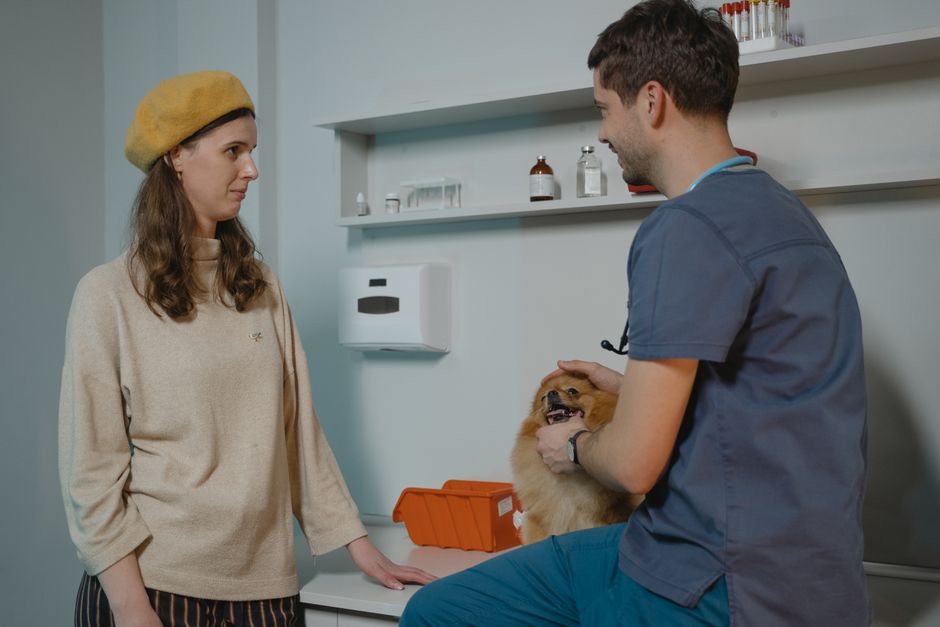
If you suspect your dog is overweight or obese, scheduling a comprehensive pet exam is the first step. During the visit, our veterinarians at Hillsboro Advanced Veterinary Care will assess your dog’s body condition score, discuss their current diet and activity levels, and rule out any underlying medical conditions that may contribute to weight gain.
Treatment approaches for dog obesity involve developing a customized weight loss plan tailored to your dog’s health status, breed, age, and lifestyle. This plan often includes portion control with measured meals, switching to a veterinarian-recommended weight management food, and gradually increasing physical activity in a way that is safe for your dog’s current fitness level. The veterinary team will monitor progress through regular weigh-ins and follow-up visits, adjusting the plan as needed to ensure steady, healthy weight loss.
In some cases, diagnostic testing may be recommended to check for metabolic or endocrine disorders. Our goal is to provide ongoing support and education for pet owners, making weight management a collaborative process that leads to lasting results.
Prevention: Keeping Your Dog at a Healthy Weight
Preventing dog obesity is often easier than addressing it once it has developed. Key steps include feeding your dog the correct amount of a balanced, high-quality diet, limiting treats to no more than ten percent of their daily caloric intake, and avoiding table scraps which can add unnecessary calories. Consistency is vital; feeding at the same times each day and using a measuring cup for portions helps prevent accidental overfeeding.
Regular exercise is essential for maintaining a healthy weight. Activities can range from daily walks around Hillsboro’s neighborhoods to interactive play sessions indoors during inclement weather. For high-energy breeds, consider agility courses or fetch games in a safe, enclosed area. Tracking your dog’s body condition at home, such as feeling for ribs and observing their waistline, can help you spot early changes before they become problematic.
Preventive care is made easier with our wellness plans, which offer ongoing guidance and regular checkups to monitor your dog’s weight and overall health. These plans can be especially helpful for owners who want to stay proactive about their dog’s well-being throughout the year.
When to Seek Veterinary Help for Your Dog’s Weight
If you notice your dog’s weight creeping up, or if they are showing any of the signs described earlier—such as difficulty breathing, reluctance to move, or visible changes in body shape—it is time to consult your veterinarian. Sudden weight gain or loss can indicate underlying health issues that require prompt attention, and self-managed diets without veterinary oversight may inadvertently cause nutritional deficiencies or other health problems.
Your veterinarian can determine if your dog’s weight is within a healthy range and design a safe, effective plan to achieve or maintain ideal body condition. For dog owners in Hillsboro and nearby communities, our team at 8153 IL Route 127, Hillsboro, IL 62049 is always ready to support you and your dog on this journey.
Building Healthy Habits: Tips for Success at Home
Successfully managing your dog’s weight requires commitment and patience. Make gradual changes to your dog’s diet and activity routine to prevent stress or resistance. Replace high-calorie treats with healthier alternatives, such as baby carrots or apple slices, but ensure these are safe for dogs and given in moderation. Involve the whole family in your dog’s weight management plan to avoid mixed messages or unintentional overfeeding.
Set realistic goals and celebrate small victories, such as improved energy or better mobility. Keep in mind that weight loss is a gradual process, and the support of your veterinary team can make a significant difference in long-term success.
The Importance of Preventive Veterinary Care for Dog Obesity
Regular veterinary visits are the cornerstone of obesity prevention. Consistent monitoring through wellness exams allows early detection of weight trends and adjustment of your dog’s care plan as needed. Our veterinarians can help you navigate the variety of commercial diets and recommend specific products, portion sizes, and feeding schedules tailored to your dog’s unique needs.
Preventive care also provides an opportunity to discuss other health topics, such as dental care, parasite control, and age-appropriate screening, all of which contribute to your dog’s overall well-being. Incorporating weight management into your regular veterinary routine is one of the most effective ways to ensure a long, active life for your dog.
Take the Next Step: Support for Dog Obesity in Hillsboro
Dog obesity is a manageable condition with the right blend of professional support, home care, and consistent monitoring. If you are concerned about your dog’s weight or want guidance on maintaining a healthy lifestyle, Hillsboro Advanced Veterinary Care is here to help. Schedule an appointment for a wellness examination or learn more about our wellness plans designed to support your dog’s health throughout every stage of life.
When searching for a veterinarian near me, choose a practice that understands the importance of individualized care and ongoing support for your dog’s well-being. Our veterinary team proudly serves Hillsboro and surrounding communities, offering compassionate guidance and the latest in weight management strategies. To get started, call (217) 532-5310 or visit us at 8153 IL Route 127, Hillsboro, IL 62049. Together, we can help your dog achieve and maintain a healthy weight for a happier, more active life.
This article is for informational purposes only and does not replace professional veterinary advice. Always consult with your veterinarian regarding any concerns about your dog’s weight or health.