Dog Diagnostic Tests: What Every Pet Owner Should Know
Dog Diagnostic Tests: What Every Pet Owner Should Know
Are you ever unsure about why your veterinarian recommends certain dog diagnostic tests during visits to Hillsboro Advanced Veterinary Care? Many pet owners in Hillsboro and surrounding communities feel overwhelmed trying to decipher what these screenings mean for their dog’s health, especially when their dog seems healthy or only has subtle symptoms. Understanding the purpose behind common dog diagnostic tests can help you make confident decisions about your dog’s care and ensure you’re taking the right steps to support a long, healthy life. At Hillsboro Advanced Veterinary Care, located at 8153 IL Route 127, Hillsboro, IL 62049, our veterinary team is dedicated to keeping pet owners informed and empowered throughout every stage of their dog’s health journey.
In this guide, we’ll break down what dog diagnostic tests are, why your veterinarian recommends them, and what they reveal about your dog’s health. You’ll learn which tests are most common, how they help detect early signs of illness, and when it’s time to schedule these important screenings. Whether your dog is due for a routine check-up or you’re noticing changes in their behavior, knowing the role of diagnostic testing can bring peace of mind and ensure the best possible care for your canine companion. If you’re curious about specific dog diagnostic tests in Hillsboro or want to know how to prepare for your next veterinary visit, keep reading for expert insights from our team.
Recognizing When Dog Diagnostic Tests Are Needed
Understanding when your dog might need diagnostic testing is the first step to being a proactive pet owner. While many screenings are part of routine wellness care, sometimes your veterinarian will recommend additional tests if your dog is showing certain symptoms. Signs that may prompt dog diagnostic tests include unexplained weight loss, increased thirst or urination, vomiting, diarrhea, loss of appetite, coughing, difficulty breathing, changes in behavior, or visible lumps and bumps. Additionally, if your dog is suddenly less active, seems painful, or shows signs of lameness, these could all be reasons to investigate further.
Routine wellness visits often include basic lab work even if your dog appears healthy. The goal is to catch problems early before they become serious. For example, annual bloodwork may reveal underlying issues like kidney or liver changes, while a heartworm test can detect a potentially life-threatening infection before symptoms appear. If your dog is a senior, has a chronic condition, or is on certain medications, more frequent testing may be needed to monitor their health closely. Our veterinary professionals at Hillsboro Advanced Veterinary Care always discuss the reasons behind each recommended test so you can feel confident in your dog’s care plan.
What Dog Diagnostic Tests Reveal: The Importance of Screening
Dog diagnostic tests are essential tools that help veterinarians uncover hidden health issues and guide treatment decisions. These tests range from simple bloodwork and urinalysis to advanced imaging studies, each providing different insights into your dog’s well-being. For instance, routine blood chemistry panels offer a snapshot of organ function, while a complete blood count (CBC) evaluates red and white blood cells for signs of infection, anemia, or inflammation. Urinalysis helps assess kidney health, hydration status, and can detect urinary tract infections or diabetes. Wellness examinations at our clinic often include these baseline tests, even for dogs that appear outwardly healthy.
Some conditions, like heartworm disease, can only be detected with specific screening tests. Heartworm testing is recommended annually, as heartworm infection can progress without obvious signs until it becomes advanced and much harder to treat. For dogs showing respiratory signs, unexplained cough, or suspected heart conditions, an electrocardiogram or chest X-rays may be advised. Specialized tests, such as allergy testing, help pinpoint environmental or food allergies that may be causing chronic itching or skin problems. Each diagnostic tool gives our veterinarians more information to deliver tailored, effective care for your dog.
Common Dog Diagnostic Tests and What to Expect
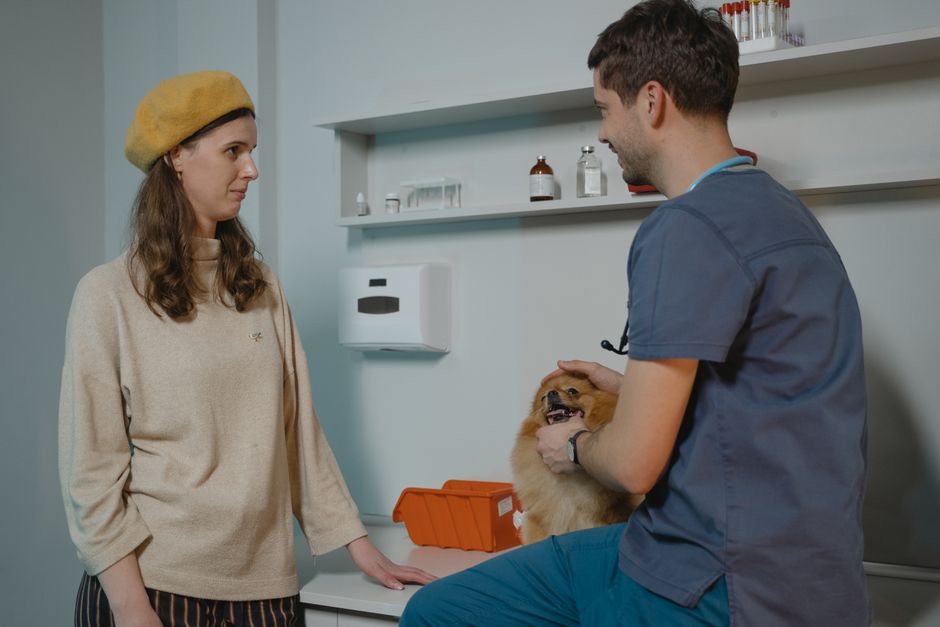
During your dog’s visit to Hillsboro Advanced Veterinary Care, our veterinarians may recommend a variety of diagnostic tests based on your dog’s age, health status, and presenting symptoms. Commonly performed screenings include bloodwork, urinalysis, fecal testing, digital X-rays, ultrasound imaging, and heartworm testing. Bloodwork includes a CBC and chemistry panel, providing a detailed look at organ health, immune status, and metabolic function. Urinalysis assesses kidney filtration, detects urinary tract infections, and can reveal signs of diabetes or other metabolic disorders.
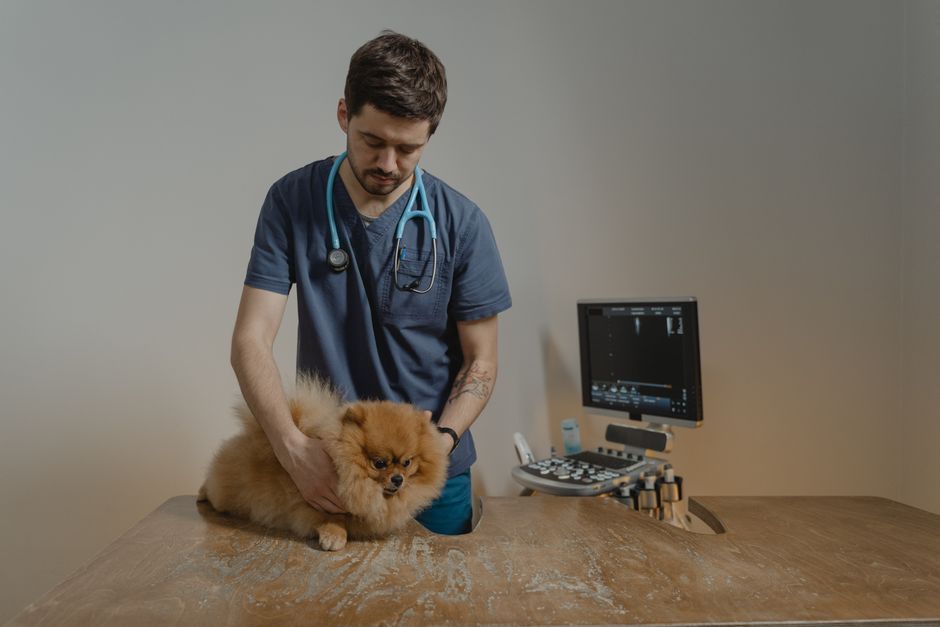
Fecal testing is used to identify internal parasites, which are especially important for puppies or dogs experiencing gastrointestinal issues. When your dog needs internal imaging, our digital radiology and ultrasound services allow us to examine the heart, liver, kidneys, and other internal organs for abnormalities like tumors, stones, or fluid buildup. For dogs with heart concerns, an electrocardiogram can evaluate the heart’s electrical activity and rhythm.
Some dogs may need specialized tests based on their unique health risks. For instance, breeds predisposed to certain conditions, such as large dogs with orthopedic issues or small breeds prone to dental disease, may need additional screenings. Allergy testing is often recommended for dogs with persistent skin or ear problems that do not respond to standard treatments. By discussing your dog’s lifestyle, previous health history, and any changes you’ve noticed at home, our team can decide which diagnostic tests are most appropriate.
Why Early Detection Matters: The Benefits of Dog Diagnostic Testing
Early detection is one of the greatest advantages of routine dog diagnostic tests. Many diseases progress quietly, showing few or no symptoms until they are advanced. Regular screenings help catch issues such as kidney disease, diabetes, liver disorders, and some cancers at a stage when treatment is more effective and less invasive. For example, annual heartworm tests can identify infection before the parasite causes lasting heart and lung damage. Bloodwork can detect subtle changes in organ function, allowing our veterinarians to adjust medications, recommend dietary changes, or begin treatment before your dog feels unwell.
This proactive approach not only improves your dog’s quality of life but can also reduce long-term veterinary costs by avoiding emergency situations or costly interventions. Diagnostic testing also provides peace of mind for pet owners, confirming that your dog is truly healthy or helping you take action quickly if something is amiss. If your dog needs a dental procedure, surgery, or is starting a new medication, pre-anesthetic bloodwork is especially important to ensure safety and guide dosing.
Can Pet Owners Do Anything at Home to Support Early Diagnosis?
While most diagnostic tests require a visit to the veterinary clinic, there are practical steps you can take at home to help with early detection. Monitoring your dog’s appetite, water intake, bathroom habits, and energy levels gives you a baseline for what’s normal. If you notice changes—such as increased drinking, sudden weight loss, persistent coughing, difficulty moving, or changes in urination—these are important clues to share with your veterinarian.
Regularly brushing your dog’s coat, examining their skin for lumps or bumps, and checking their mouth for signs of dental disease can catch problems before they become severe. Bringing a stool sample to your dog’s wellness exam can make fecal testing more convenient and accurate. By keeping detailed notes about any changes and attending regular check-ups, you play a key role in your dog’s health. Our team encourages open communication; no question or concern is too small when it comes to your dog’s wellbeing.
When to Schedule Dog Diagnostic Tests with Your Veterinarian
Knowing when to schedule dog diagnostic tests is an important part of preventive care. Most healthy adult dogs should have a wellness exam and basic bloodwork at least once a year. Puppies, seniors, or dogs with chronic health conditions may need more frequent visits or additional screenings. If your veterinarian recommends follow-up testing after an illness or procedure, it’s crucial to complete these as advised to track recovery and adjust treatment if needed.
If your dog is suddenly acting differently—such as refusing food, having difficulty breathing, experiencing vomiting or diarrhea that lasts more than a day, or showing signs of pain—do not wait. Call Hillsboro Advanced Veterinary Care at (217) 532-5310 to schedule an appointment as soon as possible. Our veterinary team can determine which diagnostic tests will provide the answers needed to help your dog recover quickly and comfortably.
Your Partner in Dog Diagnostic Tests in Hillsboro
At Hillsboro Advanced Veterinary Care, we are committed to supporting pet owners in Hillsboro and the surrounding communities with the highest quality veterinary care. Our experienced team uses advanced diagnostic tools, including pet diagnostic laboratory services, digital imaging, and comprehensive exams to give you a clear picture of your dog’s health. When you search for a veterinarian near me, know that our practice combines compassionate care with state-of-the-art technology.
If you have questions about dog diagnostic tests, want to schedule a wellness examination, or are concerned about changes in your dog’s health, our veterinary professionals are here to help. Contact Hillsboro Advanced Veterinary Care at (217) 532-5310 or visit our Hillsboro location to set up an appointment. Let us partner with you to keep your dog happy, healthy, and thriving for years to come. For more information about our diagnostic services and what to expect at your next visit, explore our website or ask our veterinary team for guidance at your next appointment.