Dog Diagnostic Tests: What Every Hillsboro Pet Owner Should Know
Dog Diagnostic Tests: What Every Hillsboro Pet Owner Should Know
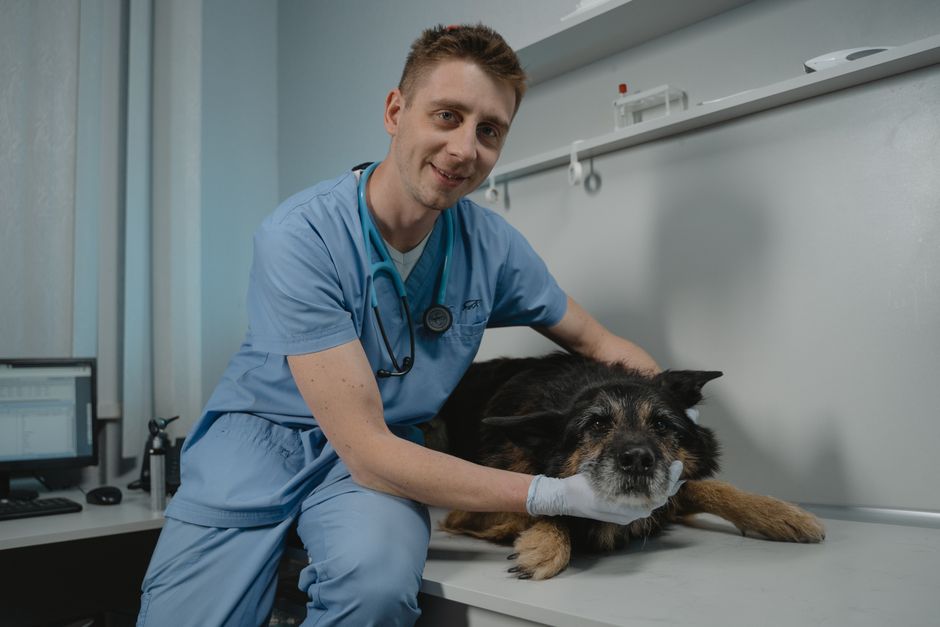
If you’re a dog owner in Hillsboro or the surrounding communities, keeping your pet healthy is always a top priority. Sometimes, that means going beyond regular checkups and vaccinations—especially when your dog isn’t feeling like themselves. Dog diagnostic tests play a vital role in uncovering hidden health issues, guiding your veterinarian in making the best recommendations for your pet’s care. At Hillsboro Advanced Veterinary Care, located at 8153 IL Route 127, Hillsboro, IL 62049, our veterinary team is committed to providing comprehensive, compassionate care by using advanced diagnostics to keep your furry friend healthy. In this post, you’ll discover what common dog diagnostic tests involve, when they are needed, and how they help us protect your pet’s well-being. We’ll also share local insights about pet care in Hillsboro, so you’ll know what to expect if your dog ever needs more than just a wellness exam.
Recognizing When Your Dog Might Need Diagnostic Testing
It’s not always easy to tell when your dog could benefit from diagnostic tests. Dogs are masters at hiding discomfort, and many health issues develop quietly before any clear signs appear. Still, there are certain symptoms and behaviors that should prompt you to contact your veterinarian. Key signs include unexplained weight loss, persistent vomiting or diarrhea, coughing, increased drinking or urination, sudden lethargy, limping, or changes in appetite. Additionally, if your dog seems unusually anxious, starts having accidents indoors, or develops new lumps or bumps, these may be reasons for further investigation.
Sometimes, your dog may appear healthy but could have underlying issues detected through routine wellness screening. This is especially true for senior dogs, breeds prone to hereditary conditions, or pets with chronic medical histories. Annual wellness checks often include basic dog diagnostic tests to catch problems early, before they become more serious. If you’re unsure whether your pet’s symptoms warrant testing, it’s always best to consult with your veterinary professionals for guidance.
Why Are Dog Diagnostic Tests Necessary?
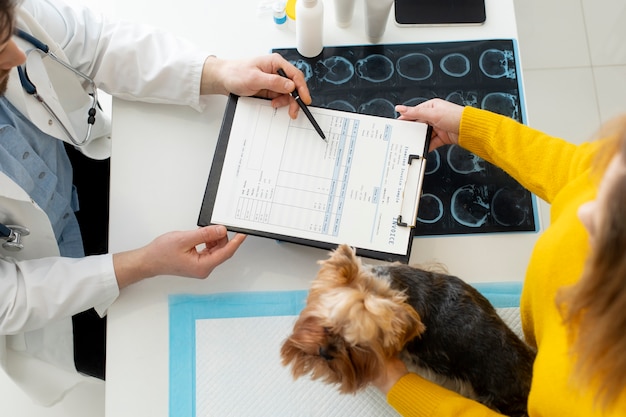
Diagnostic tests are the foundation of modern veterinary medicine, helping us understand what’s happening inside your dog’s body when symptoms are unclear or before outward signs develop. These tests provide crucial information about your dog’s organs, bones, and internal systems. For example, routine bloodwork can detect hidden infections, anemia, diabetes, or kidney issues long before your dog begins to show outward signs. Imaging tools such as digital radiology and ultrasounds allow us to view the heart, lungs, and abdominal organs non-invasively.
There are several reasons your veterinarian may recommend dog diagnostic tests. These include following up on abnormal exam findings, monitoring chronic diseases, preparing for surgery, or screening for infectious diseases such as heartworm. In some cases, diagnostics are used to confirm a suspected diagnosis or to rule out certain conditions, giving peace of mind to pet owners. Preventive testing is also an important aspect of lifelong wellness, helping your dog enjoy a longer, healthier life.
Common Dog Diagnostic Tests Explained
Understanding the most common types of dog diagnostic tests can help you feel more confident when making decisions about your pet’s care. At Hillsboro Advanced Veterinary Care, we use a range of diagnostic tools tailored to each dog’s unique needs.
Bloodwork and Laboratory Testing
Routine blood tests are among the most valuable diagnostic tools. These tests evaluate red and white blood cell counts, organ function, electrolyte balance, and more. Comprehensive panels can help detect conditions like infection, liver or kidney disease, and metabolic disorders. Urinalysis is another important test, offering information about kidney function, urinary tract health, and the presence of crystals or infections.
For many dogs, laboratory tests are included as part of a comprehensive pet exam or annual wellness screening. They are also essential before anesthesia or surgery, or when monitoring ongoing medical issues. If your dog is showing signs such as increased thirst, changes in appetite, or unexplained fatigue, laboratory diagnostics can help us get to the root of the problem quickly.
Digital Radiology (X-rays)
Digital radiology provides detailed images of your dog’s bones, joints, chest, and abdomen. X-rays are invaluable when evaluating injuries, limping, or suspected fractures. They are also used to check for heart enlargement, lung disease, swallowed objects, and certain types of cancer. Unlike older film X-rays, digital radiology delivers faster results and clearer images, making it easier to diagnose and treat your dog efficiently. If your pet needs advanced imaging, our digital radiology services can provide answers with minimal discomfort.
Ultrasound
Veterinary ultrasound uses sound waves to create images of your dog’s internal organs, offering a non-invasive way to assess the heart, liver, kidneys, spleen, and bladder. Ultrasound is especially useful for detecting tumors, cysts, fluid buildup, and pregnancy. Because ultrasound does not involve radiation, it is safe for repeated use and is often recommended when bloodwork or X-rays reveal abnormalities. Our veterinary ultrasound services help us provide a more complete picture of your dog’s health.
Heartworm and Infectious Disease Testing
Heartworm disease remains a significant threat to dogs in Illinois, particularly during the warmer months when mosquitoes are active. Early detection is critical, as advanced heartworm disease can cause irreversible damage to the heart and lungs. Regular heartworm testing is recommended for all dogs, even those on preventive medication. In addition to heartworm, we may screen for other infectious diseases such as Lyme or tick-borne illnesses, especially if your dog spends time outdoors or travels with you.
Allergy and Skin Testing
For dogs with chronic itching, skin infections, or recurring ear problems, allergy testing can help identify underlying triggers. Environmental and food sensitivities are common in many breeds, and accurate diagnosis allows for targeted treatment. Our veterinary allergy testing services and dermatology services offer relief for pets struggling with allergies throughout the year.
What to Expect During Diagnostic Testing
Many dog diagnostic tests are quick, minimally invasive, and well-tolerated by most pets. Bloodwork typically involves a small blood sample taken from your dog’s leg or neck. Urinalysis may require a sample collected during your visit or at home. X-rays and ultrasounds usually require your dog to lie still for a few minutes; in some cases, mild sedation may be used for comfort or safety.
Your veterinary team will explain each step and answer any questions before proceeding. Most results are available promptly, often the same day for routine bloodwork or X-rays. More specialized tests, such as pathology or genetic screening, may take longer. Once the results are in, our veterinarians discuss the findings with you and outline any recommended next steps. This collaborative approach ensures you’re always informed and involved in your pet’s care.
Preventing Health Problems Through Regular Screening
Proactive, preventive care is the best way to keep your dog healthy and happy. Regular wellness exams provide opportunities to catch early changes in your dog’s health, even if your pet seems perfectly fine at home. Annual or semi-annual screenings often include dog diagnostic tests such as bloodwork, urinalysis, and heartworm checks. These tests are especially important for senior dogs, breeds at risk for certain inherited conditions, and pets with existing medical histories.
Vaccinations and parasite prevention remain foundational elements of preventive care. However, comprehensive screenings give a deeper view of your dog’s internal health, providing peace of mind for you as a pet owner. Hillsboro Advanced Veterinary Care recommends a personalized approach, tailoring screening schedules based on your dog’s age, breed, lifestyle, and risk factors. Our pet diagnostic laboratory services are designed to make early detection and ongoing monitoring as easy and stress-free as possible.
When Should You Schedule Dog Diagnostic Tests?
Knowing when to request or accept diagnostic testing is an important part of responsible pet ownership. You should always consult your veterinarian if your dog is experiencing persistent or unexplained symptoms. In particular, warning signs such as sudden weakness, breathing difficulties, severe vomiting or diarrhea, or collapse require immediate attention. For less urgent issues, such as mild coughing or occasional limping, your veterinarian may recommend monitoring at home before pursuing diagnostics; however, if these symptoms persist or worsen, testing is usually indicated.
Routine wellness exams remain the best time to discuss preventive diagnostic options. Your veterinary professionals will help you determine which tests are appropriate for your dog’s age, breed, and lifestyle. Open communication with your veterinarian ensures that no question or concern goes unanswered.
Supporting Your Dog’s Health at Home
While dog diagnostic tests are essential for detecting and addressing health issues, there are steps you can take at home to support your pet’s well-being. Providing a balanced diet, regular exercise, and proper parasite prevention all contribute to a healthier immune system and lower risk of disease. Observing your dog daily for subtle changes in behavior, appetite, or mobility can help you catch problems early. Promptly addressing any concerns with your veterinary team, rather than waiting for symptoms to worsen, is always the best approach.
If you ever have questions about your dog’s health or the benefits of specific diagnostic tests, don’t hesitate to reach out to us. Our team is here to guide you every step of the way, from preventive care to advanced diagnostics and treatment.
Take the Next Step: Schedule Your Dog’s Diagnostic Testing in Hillsboro
Your dog’s health and happiness are important to every member of our veterinary team at Hillsboro Advanced Veterinary Care. Whether your pet needs a routine checkup, advanced diagnostics, or ongoing monitoring, we’re dedicated to providing compassionate, expert care for every stage of life. If you’re searching for a vet near me who offers comprehensive dog diagnostic tests and personalized attention, look no further than our clinic serving Hillsboro and neighboring communities.
To schedule an appointment or discuss which dog diagnostic tests might benefit your pet, contact our veterinary professionals at (217) 532-5310 or visit us at 8153 IL Route 127, Hillsboro, IL 62049. You can also explore our website for more information about pet diagnostic laboratory services, digital radiology, and wellness examinations. Let us help you stay proactive in your dog’s healthcare journey—because every dog deserves a lifetime of good health and joyful moments by your side.
This blog is for informational purposes only and should not be used as a substitute for professional veterinary advice, diagnosis, or treatment. Always consult your veterinarian for specific recommendations regarding your pet’s health.