Recognizing Early Signs of Illness in Pets and Livestock

Recognizing Early Signs of Illness in Pets and Livestock
As the seasons shift into fall in Hillsboro and surrounding communities, it becomes more important than ever to keep a close eye on the health of your animals—whether they are beloved dogs and cats at home, rabbits and exotic pets, or essential members of your herd like cattle and pigs. Early recognition of illness can mean the difference between a simple recovery and a serious emergency. At Hillsboro Advanced Veterinary Care, located at 8153 IL Route 127, Hillsboro, IL 62049, our mission is to help pet owners and producers alike protect animal health through timely intervention and preventive care.
In this guide, we’ll walk you through how to spot the first signs of sickness in dogs, cats, rabbits, cattle, and pigs. You’ll learn what warning signs to watch for, why these changes matter, how prompt veterinary care can make a difference, and what you can do at home or on the farm to support recovery and prevention. We’ll also explain when to seek help from our veterinary team and provide trusted resources for urgent situations. Whether you care for a household companion or a barn full of livestock, our veterinarians are here to support animal health at every stage.
Spotting Early Signs of Illness in Dogs, Cats, Rabbits, and Livestock
Timely identification of illness is crucial for both pets and livestock. Subtle changes in behavior, appetite, or appearance are often the first indicators that something isn’t quite right. Recognizing these signs early can promote better outcomes and help you avoid emergencies.
Changes in Dogs and Cats
For pet owners, the first signs of illness in dogs and cats are often behavior-based. You might notice your dog is more withdrawn, less interested in walks or play, or suddenly experiencing accidents in the house. Cats may hide more, vocalize differently, or neglect grooming. Other common symptoms include decreased appetite, vomiting, diarrhea, coughing, sneezing, or changes in water consumption. In some cases, you may spot limping, swelling, abnormal discharges, or sudden changes in weight.
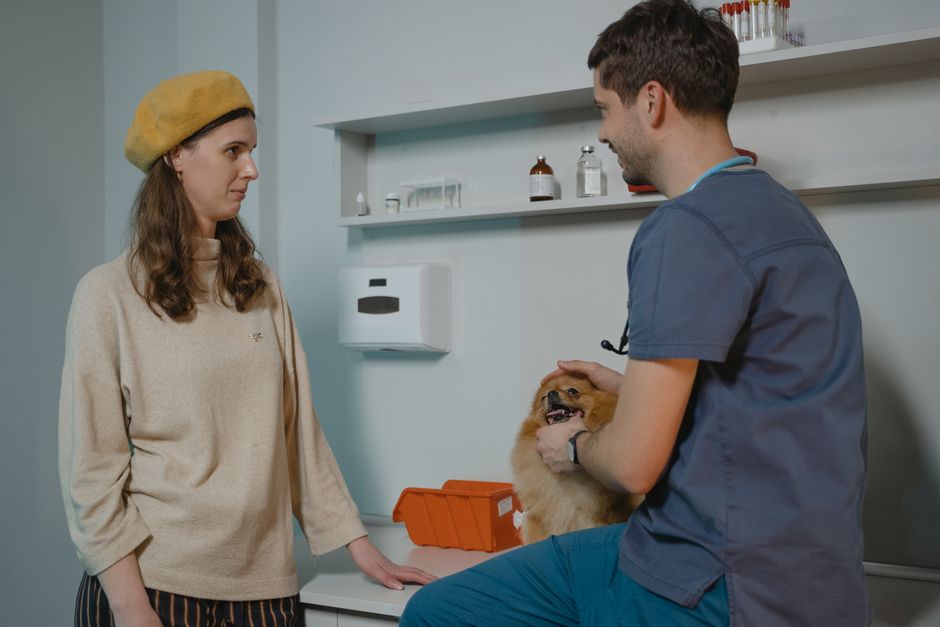
If you notice any of these changes, a wellness examination with our veterinary team can help uncover underlying issues before they become severe.
Signs in Rabbits and Exotic Pets
Rabbits and exotic pets often mask illness until symptoms are advanced. Watch for reduced activity, changes in eating or drinking, abnormal droppings, labored breathing, discharge from the eyes or nose, or overgrown teeth. Prompt attention is important, as these species can deteriorate quickly. Our team offers sick care services for rabbits and veterinary care for exotic pets to address these unique needs.
Early Illness Indicators in Cattle and Pigs
Producers know that herd health depends on early detection of problems. Cattle or pigs showing decreased feed intake, lagging behind the group, coughing, nasal discharge, labored breathing, lameness, or isolated behavior should be examined promptly. In the fall, respiratory diseases can increase due to changing weather, shipping, or weaning stress. Calves or piglets with diarrhea, dehydration, or poor weight gain may signal a larger health concern requiring prompt action.
Why Early Signs Matter: Understanding the Causes and Risks
Understanding why animals show these early warning signs is essential for both pet owners and producers. Many illnesses progress rapidly if not addressed, and some can spread through a household or herd.
Why Do Animals Hide Symptoms?
Dogs, cats, and especially prey species like rabbits and livestock are hardwired to hide discomfort or illness. This instinct helps protect them from predators but can make it challenging for owners and producers to recognize when something is wrong. By the time obvious signs appear, the illness may have already advanced.
Underlying Causes in Pets
Common causes of illness in pets include infections, dental disease, parasites, allergies, dietary indiscretions, hormonal imbalances, and chronic conditions such as kidney or liver disease. Sudden changes in the environment, exposure to toxins, or ingestion of foreign objects can also trigger acute symptoms.
Disease Pressure in Livestock
In cattle and pigs, early signs often result from infectious diseases such as respiratory viruses, bacterial infections, or digestive disturbances. Environmental stressors like temperature swings, overcrowding, poor ventilation, or transportation can weaken immune defenses, making animals more susceptible. Biosecurity lapses can introduce new pathogens to the operation, leading to outbreaks.
Treatment and Management: What to Expect from Veterinary Care
Once early signs of illness are detected, timely veterinary intervention is key. At Hillsboro Advanced Veterinary Care, we offer diagnostics and treatment options tailored to each species’ needs.
Diagnostic Steps
For pets, our team may recommend a physical examination, bloodwork, urinalysis, or advanced imaging such as digital radiology or ultrasound to pinpoint the cause of symptoms. We also offer a diagnostic laboratory on-site, speeding up the identification of infections or organ dysfunction.
Rabbits and exotic pets often require specialized diagnostics, including dental checks, fecal analysis, or imaging, to identify subtle problems.
For cattle and pigs, our veterinarians may perform herd health checks, collect diagnostic samples, and review management practices to determine the source of illness. Treatment plans often combine supportive care, targeted medications, and adjustments to nutrition or environment.
Treatment Approaches
Treatment options are tailored to the animal and condition. For pets, management may involve medications, fluid therapy, dietary changes, or surgical intervention when needed. Our clinic is equipped for a wide range of procedures, from dental care to surgical correction of injuries or illness.
Rabbits and exotics benefit from species-specific medications, nutritional support, and careful monitoring.
In livestock, early veterinary intervention can help control disease spread, reduce losses, and promote recovery. Supportive therapies, antibiotics, vaccination updates, and management changes may all play a role. Our veterinarians work with producers to develop practical, cost-effective plans that protect both animal welfare and farm productivity.
Prevention and Home/Farm Care: Supporting Animal Health
Early action and ongoing preventive care are the foundation of animal well-being. Here’s how you can help protect your animals at home and on the farm.
For Dogs, Cats, and Small Mammals
Pet owners can support health by monitoring daily habits, keeping up with pet vaccination services, maintaining regular wellness checkups, and promptly addressing behavioral changes. Providing a balanced diet, appropriate dental care, and a safe environment helps prevent many common illnesses.
For Rabbits and Exotics
Maintaining clean housing, supplying a species-appropriate diet, and watching for changes in droppings or activity are vital. Regular veterinary visits and prompt attention to subtle changes can prevent minor issues from becoming critical.
For Cattle and Pigs
Producers can reduce the risk of illness by implementing strong biosecurity protocols, ensuring clean water and adequate nutrition, and monitoring body condition scores. Regular herd health evaluations, vaccination programs, and parasite control are essential. During high-risk periods like weaning or shipping, extra vigilance is warranted. Early separation and treatment of affected animals can help limit disease spread.
When to Seek Veterinary Care: Knowing the Right Time to Act
Deciding when to call your veterinarian can be challenging, but early intervention is always preferable to waiting. Here are some clear scenarios where prompt veterinary attention is warranted.
Red Flags for Pet Owners
If your dog or cat stops eating or drinking, vomits repeatedly, has persistent diarrhea, difficulty breathing, sudden weakness, or collapses, seek veterinary care immediately. Uncontrolled bleeding, seizures, or inability to urinate are emergencies that should never wait. For less urgent but concerning changes, such as weight loss, ongoing coughing, or skin issues, schedule a comprehensive pet exam to catch problems early.
Critical Signs in Rabbits, Exotics, and Pocket Pets
Rabbits or exotics who stop eating, have difficulty breathing, show signs of pain, or develop sudden lethargy should be seen urgently. Because these animals deteriorate quickly, do not delay in contacting a veterinarian familiar with their care.
Urgent Situations for Cattle and Pigs
Producers should call for veterinary assistance if cattle or pigs show signs of severe respiratory distress, lameness that impairs movement, bloody diarrhea, sudden death losses, or outbreaks affecting multiple animals. Early intervention can prevent larger losses and limit the impact on your operation.
If you are unsure whether your animal’s condition is urgent, our veterinary team is always available for guidance during office hours. For after-hours emergencies, Animal Emergency Center in Springfield and Hawthorne Animal Hospital are trusted resources for both small animal and livestock needs.
Supporting Animal Health Year-Round in Hillsboro and Surrounding Communities
Taking a proactive approach to recognizing early signs of illness can save lives, reduce suffering, and protect your investment as a pet owner or producer. Our veterinarians at Hillsboro Advanced Veterinary Care are committed to providing comprehensive care for every animal, whether you need help with a sick rabbit, a dog with new symptoms, or a cow showing signs of illness.
If you notice any changes in your animal’s health, do not wait—schedule an appointment with our veterinary team today. We provide thorough examinations, advanced diagnostics, and compassionate care tailored to your needs. You can call us at (217) 532-5310 or visit us at 8153 IL Route 127, Hillsboro, IL 62049. When searching for a veterinarian near me who understands both pets and livestock, trust our team to deliver the expertise and support your animals deserve.
For more information about wellness examinations, diagnostic laboratory services, or pet vaccination services, visit our website at hillsborovetcare.com. Our entire veterinary team is dedicated to helping you recognize illness early and promote animal health throughout the year.
This blog is for informational purposes only and does not replace individualized veterinary care. If your animal is in distress or you have concerns about their health, always contact your veterinarian promptly.